Guides for you

Healthy Aging

Steady, active, independent years.

For readers in their fifties, sixties, seventies and beyond, and the families who care about them. Balance, strength, protein, eye-friendly habits and the East Asian traditions that grandparents have kept for generations, read alongside modern research.

Written for: Grandparents, retirees, carers and anyone planning for strong later years.

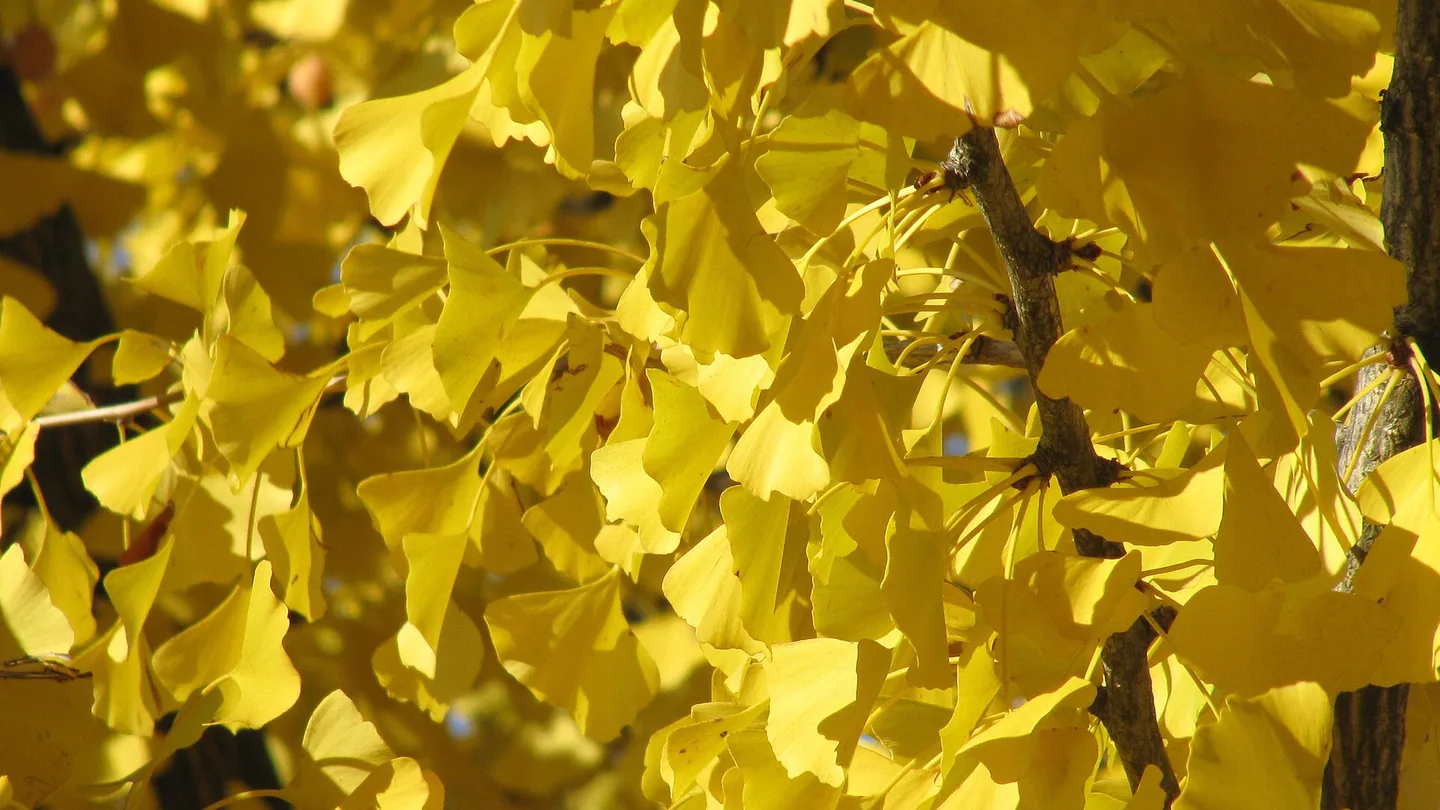
Fan-shaped ginkgo leaves turning gold on the tree in autumn (photo: Erdbaer, CC0)

GinkgoSteady roots for the long, active decades

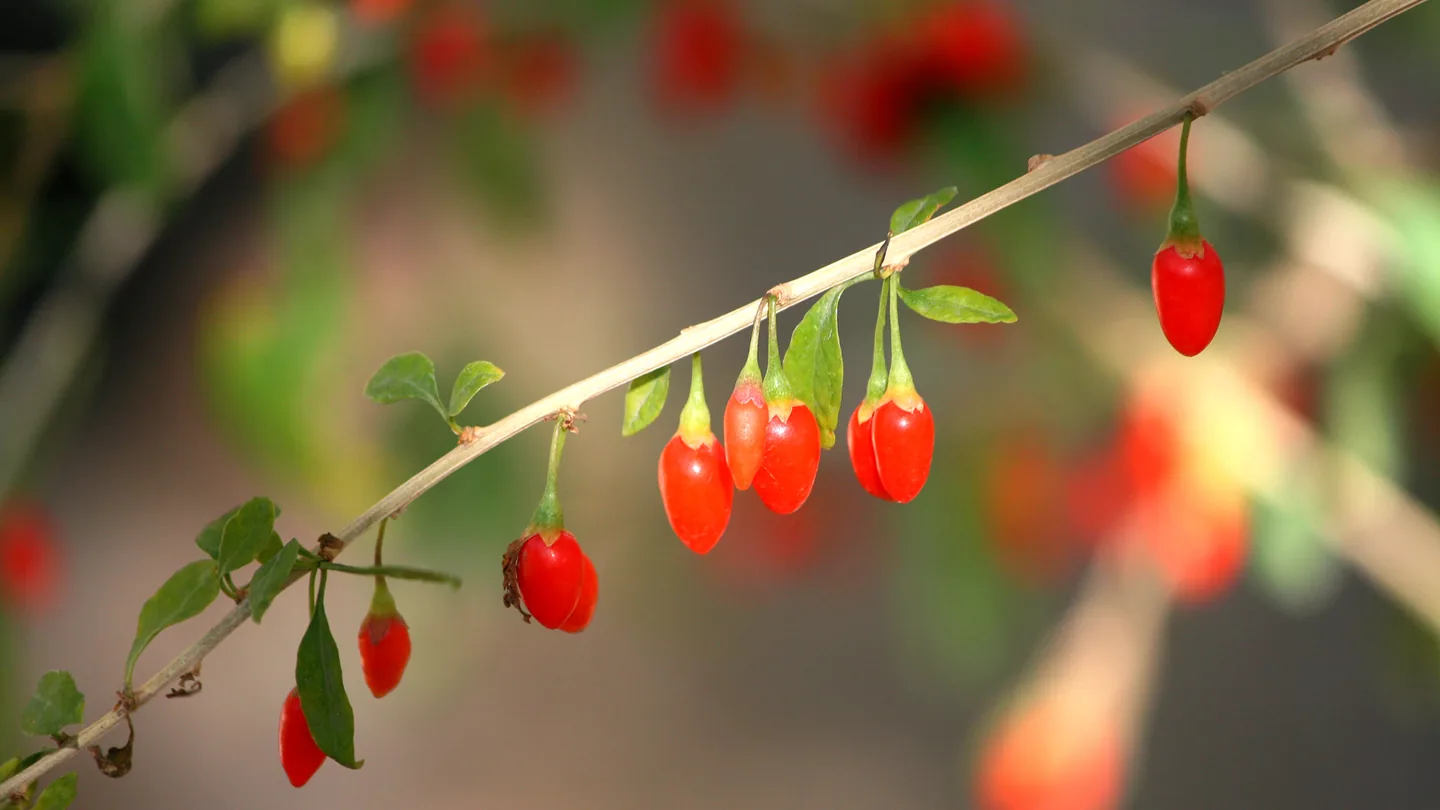
Ripe red goji berries hanging along an arching wolfberry branch (photo: Siamaksabet, CC BY-SA 4.0)

Goji · wolfberrySteady roots for the long, active decades

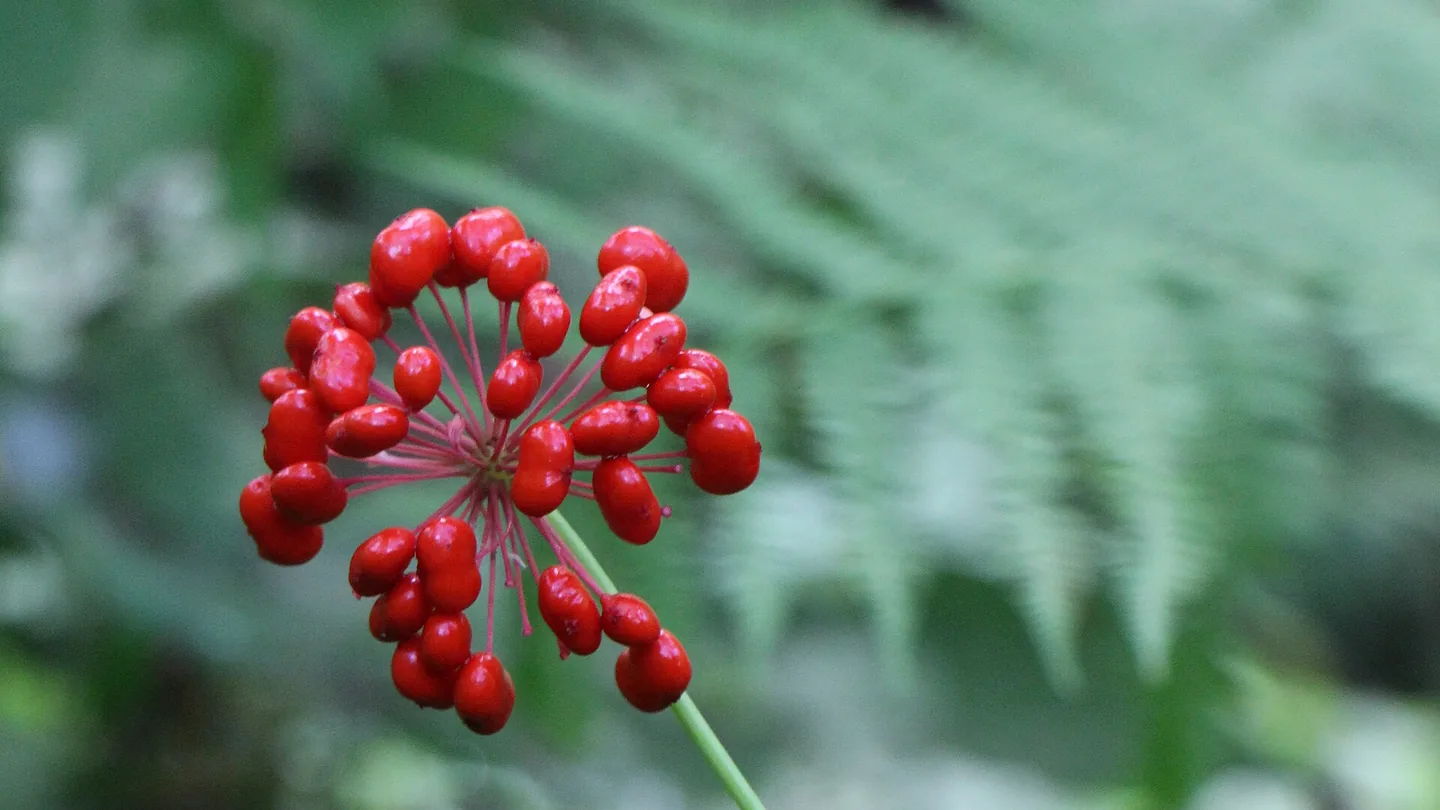
Wild ginseng stem holding a cluster of red berries above a fern-filled forest floor on Changbai Mountain (photo: Doge24190, CC BY-SA 4.0)

Korean ginsengSteady roots for the long, active decades

East meets West guides

Start here.

7 in-depth guides · every one with sources and safety notes
Skin & Graceful Aging · 5 min read

Graceful skin aging, East and West: sunscreen first, sleep second, collagen a distant third

What a randomized trial showed about daily sunscreen and skin aging, how sleep relates to skin barrier recovery, what collagen supplement meta-analyses really found, and East Asian skincare rituals.

Read the guide
Stress at Work & Life · 5 min read

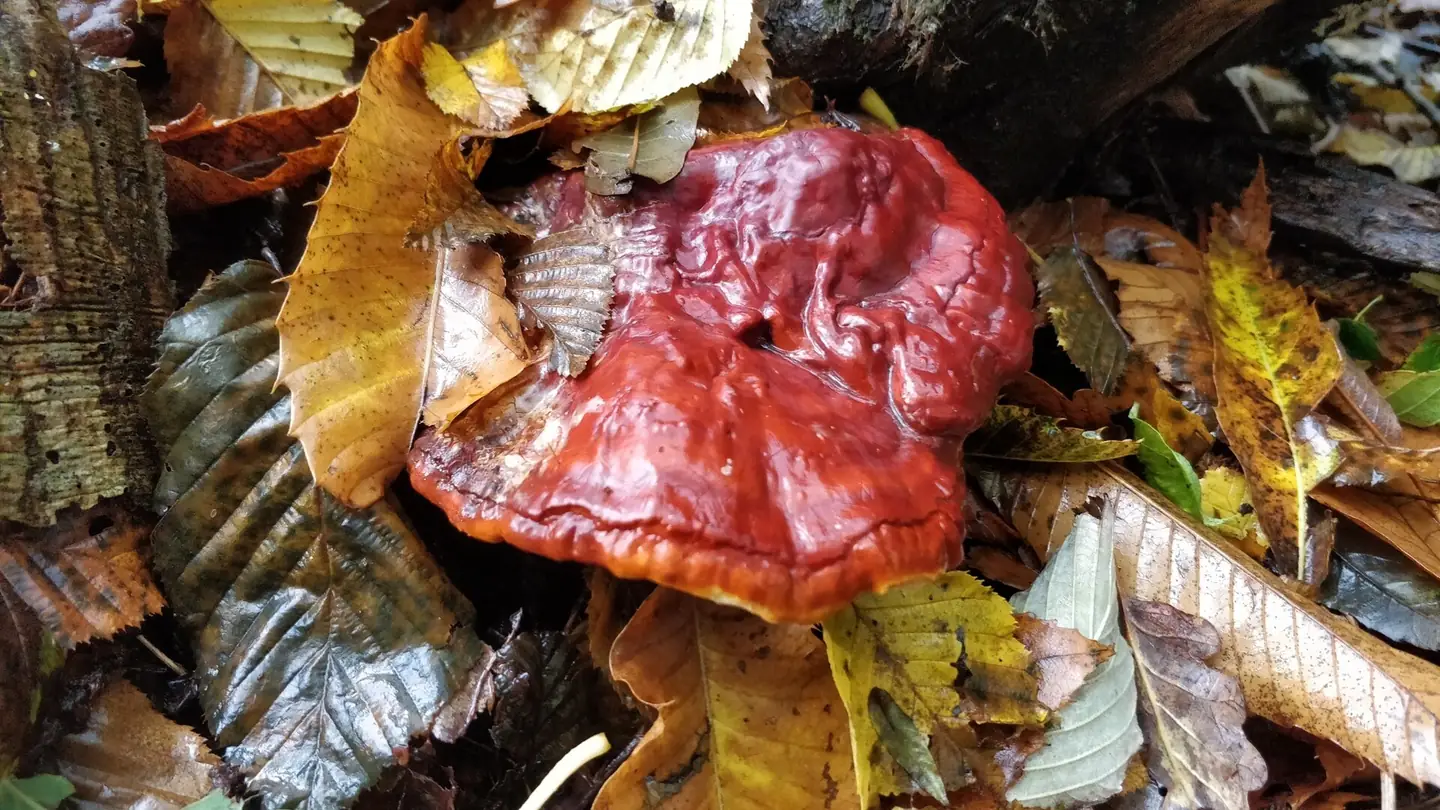
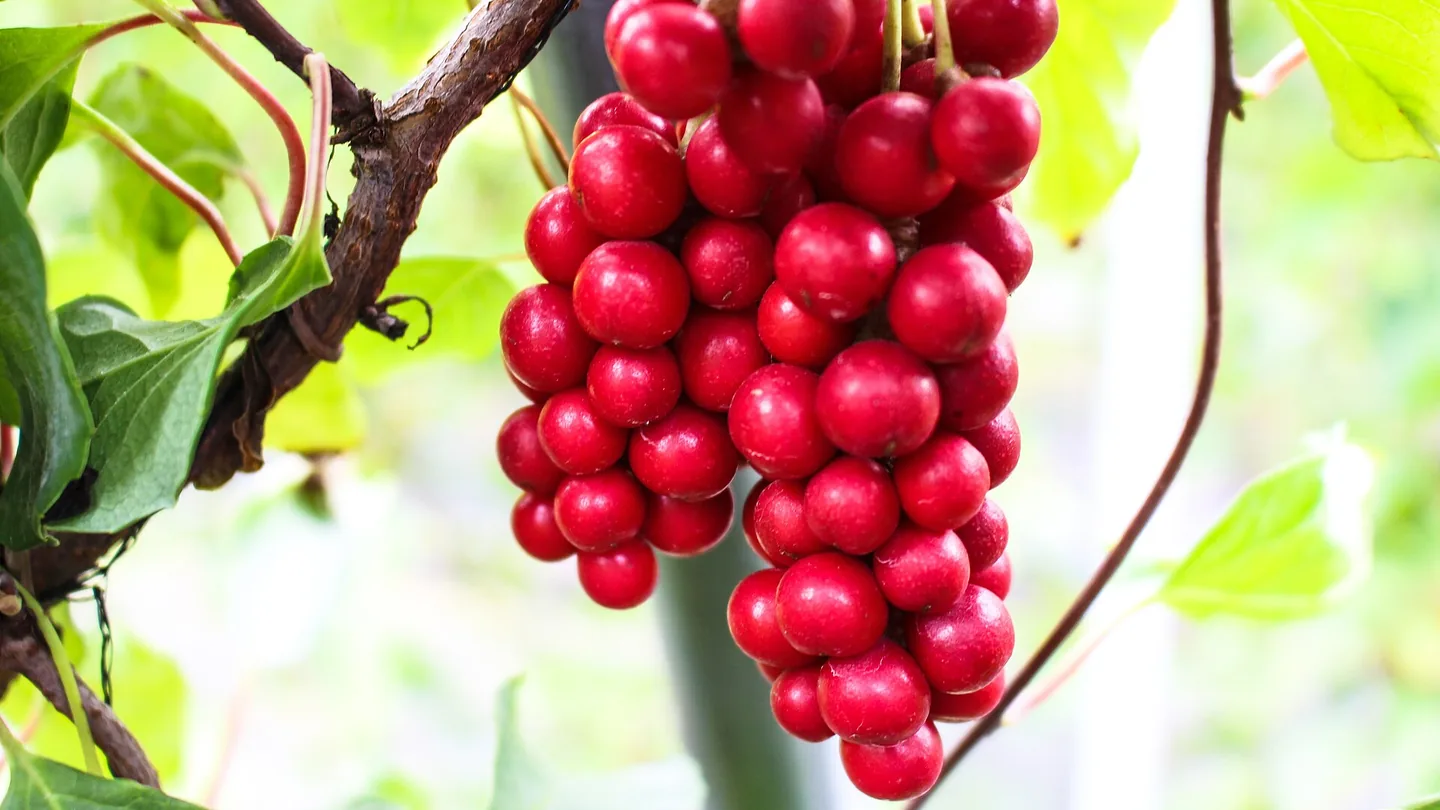
Reishi and schisandra: two classic Chinese botanicals in a modern wind-down ritual

Reishi (lingzhi) and schisandra (wu wei zi) in Chinese wellness tradition, what human research really shows, liver and drug-interaction cautions, and a calmer evening routine.

Read the guide
Stress at Work & Life · 4 min read

Slow breathing and forest walks: an East-West toolkit for stress at work and home

Shinrin-yoku forest bathing from Japan, qigong-style slow breathing, and Western research on breath control and meditation. Free, evidence-backed ways to calm a stressful day.

Read the guide

East meets West · the research

Research from Asia for Healthy Aging

A selection of studies from Japanese, Korean, Malaysian, Chinese and TCM journals behind the guides on this page. Each guide lists its own Asian research in full, with plain-English summaries and the limits of each study.

  • Japan

    Kizawa Y, Sekikawa T, Kageyama M, et al. (2021). Effects of anthocyanin, astaxanthin, and lutein on eye functions: a randomized, double-blind, placebo-controlled study. Journal of Clinical Biochemistry and Nutrition (Japan).

    In plain English: A 6-week randomized, placebo-controlled trial in 44 healthy Japanese adults with screen-related eye tiredness; a capsule with anthocyanin, astaxanthin and lutein (not goji) helped preserve focusing response after screen work and improved some self-rated eye comfort items. Small, and run by the supplement company's own researchers.

  • China · TCM

    Chen J. (2023). Essential role of medicine and food homology in health and wellness. Chinese Herbal Medicines (China).

    In plain English: An editorial from China's National Center for Food Safety Risk Assessment explaining "medicine and food homology", the TCM idea that some herbs are also everyday foods, and China's official list of such substances. A viewpoint piece, not a trial.

  • Malaysia / SE Asia

    Goon JA, Noor Aini AH, Musalmah M, et al. (2008). Long term Tai Chi exercise reduced DNA damage and increased lymphocyte apoptosis and proliferation in older adults. Medical Journal of Malaysia (Malaysia).

    In plain English: A cross-sectional study from Universiti Kebangsaan Malaysia comparing 35 adults with 7 years of tai chi practice and 35 sedentary adults; practitioners showed less DNA damage in blood cells in lab tests. Observational and small.

  • Korea

    Oh CU (2016). 태극권이 노인의 악력, 통증과 낙상공포에 미치는 효과 [Effects of tai chi on grip strength, pain and fear of falling in older adults]. 한국산학기술학회논문지 (Journal of the Korea Academia-Industrial Cooperation Society) 17(5):631–636. South Korea.

    Korean Published in Korean; summary translated by Open Leaf from the Korean abstract, which gives the schedule as five 60-minute sessions a week.

    In plain English: In a Korean city, 37 adults aged 65 and over either practised 24-form tai chi for 60 minutes, five times a week for six weeks, or did not. Compared with the other group, the tai chi group gained grip strength and reported less pain and less fear of falling. The study was not randomized and lasted only six weeks, so the result is promising but small.

  • Asia-Pacific

    Cockerham WC, Yamori Y. (2001). Okinawa: an exception to the social gradient of life expectancy in Japan. Asia Pacific Journal of Clinical Nutrition (Asia-Pacific regional).

    In plain English: An analysis of why Okinawa, once Japan's poorest prefecture, had longer life expectancy than Japan overall; the authors suggest diet and strong family and social support mattered more than wealth.

  • China · TCM

    Zhou M, Peng N, Dai Q, et al. (2016). Effect of Tai Chi on muscle strength of the lower extremities in the elderly. Chinese Journal of Integrative Medicine (China).

    In plain English: A cross-sectional study from Beijing comparing 205 long-term tai chi practitioners aged 60 to 89 with 205 matched non-practitioners; practitioners had stronger leg muscles. Observational, so it cannot prove tai chi caused the difference.

Each record was checked against PubMed, J-STAGE, KoreaScience or the DOI registry on 14–15 November 2026. Translations are Open Leaf’s own; please check the original for exact wording. Not medical advice.

Also from the journal

Other readers, other seasons.