The soup pot, the teapot and a long life
In many Asian homes, care arrives in a bowl. A pot of soup simmers for hours on a Sunday; a few red dates and goji berries go in because that is how a mother or grandmother always made it. Tea is poured for guests before anything else is said. Three generations share one table, and older relatives are expected to keep cooking, walking to the market and minding grandchildren well into their eighties.
These habits travel with families from Fujian to Penang, from Okinawa to Gwangju. Many readers grow up believing they are the reason their grandparents lived so long, and that the link has been proven over generations. This page looks at that belief with respect and with care. It asks what the numbers say about long and healthy lives in East and Southeast Asia, what the research on soups, teas, herbs and everyday diets has actually found, and where the evidence stops.
The short answer: Asian populations do include some of the longest-lived people on earth, and long-term studies link traditional eating patterns and tea with modestly better odds of a long, healthy life. But the research shows association, not proof, and diet is only one part of a bigger story that includes healthcare, family, movement and history.
Asian longevity by the numbers
Japan, Singapore and South Korea now sit at or near the top of world life-expectancy tables, and Hong Kong’s official figures are among the highest anywhere. Just as important is healthy life expectancy (HALE): the years people can expect to live in good health. On WHO’s 2023 estimates, people in Japan, Singapore and South Korea can expect about 72 to 73 healthy years, roughly 7 to 8 more than in the United States1.
Life expectancyHealthy life expectancy (HALE)Gap
- Japan11.7 yrs
- Singapore10.7 yrs
- South Korea11.6 yrs
- China9.9 yrs
- Malaysia9.1 yrs
- United States13.9 yrs
- WHO European Region11.2 yrs
- World10.5 yrs
Hong Kong and Taiwan are not listed separately in WHO tables; their own official figures are in the table below.
| Place | Year | Men · Women | Overall | Source |
|---|---|---|---|---|
| Japan | 2025 | 81.35 · 87.33 | — | 2 |
| Hong Kong | 2025 | 83.1 · 88.7 | — | 3 |
| South Korea | 2024 | 80.8 · 86.6 | 83.7 | 4 |
| Singapore | 2025 | 81.8 · 86.0 | 83.9 | 5 |
| Taiwan | 2025 | 77.93 · 84.75 | 81.27 | 6 |
| China (mainland) | 2025 | — | 79.25 | 7 |
| European Union (27) | 2024 | — | 81.5 | 8 |
| United States | 2024 | 76.5 · 81.4 | 79.0 | 9 |
107,677
people aged 100 or over in Japan in September 2026, the first time the count has passed 100,000 and the 56th record year in a row. Nearly nine in ten are women (94,298). In 1963 there were just 153.10
Two things stand out. First, the gap between life expectancy and healthy life expectancy is around 9 to 14 years everywhere in the chart, so even in the longest-lived countries most people spend their final decade with some illness or frailty. Second, Asia is not one place: Malaysia’s life expectancy (74.6 years) is closer to the world average than to Japan’s, and China’s has risen fast but is still below Japan’s1,7.
Japan: washoku, miso soup and green tea
Washoku, the traditional Japanese way of eating, is built around rice, a bowl of soup and a few side dishes: fish, soy foods, vegetables, seaweed and pickles, with green tea through the day. Japanese researchers have tested this pattern in some of the largest and longest studies of diet anywhere.
- The whole diet. In the JPHC Study of about 80,000 adults, those whose eating best matched Japan’s official food guide had a 15% lower risk of dying during follow-up11. A score built from eight traditional foods, including miso soup, seaweed, pickles, fish and green tea, was linked with a 14% lower risk among 92,969 adults over 19 years12.
- Older adults. In the Ohsaki Cohort, older people eating most like the traditional diet had a 9% lower risk of dying and a median age at death about 10 months later24, plus lower risks of needing long-term care and of dementia onset25.
- Miso, natto and fermented soy. Total soy intake showed no link with risk of death, but fermented soy such as natto and miso went with about 10% lower risk. The authors warn that other habits may explain part of it26.
- Green tea. In the Ohsaki Cohort, five or more cups a day went with 12% (men) and 23% (women) lower risk of dying during follow-up27; JPHC found 13% and 17%28; and a pooled analysis of eight cohorts and 313,381 people found 10% and 18%13.
Japanese researchers are careful to add context. Japan’s life expectancy was the shortest in the G7 in the 1960s. It rose to the top as stroke deaths fell, salt intake dropped and diets gained a modest amount of milk and meat, alongside universal health insurance, public-health programmes and equal access to education19,18. Diet is part of the story, not the whole of it.
Strength of evidence: ModerateConsistent results from very large, long Japanese cohorts for green tea and the overall traditional diet. Still observational; the associations are modest and could partly reflect other healthy habits.
Okinawa: the original blue zone, and what changed
Okinawa, Japan’s southern island prefecture, became world-famous as a “blue zone”, a region with unusually many long-lived people. In 2000 Okinawan women’s life expectancy was 86.01 years, 1.4 years above Japan’s, and in 2003 Okinawa had over 40 centenarians per 100,000 people against about 15 nationally21.
The traditional Okinawan diet was built on purple and orange sweet potato, green and yellow vegetables, tofu and other soy foods, seaweed, medicinal plants and garnishes, with fish and lean pork in moderation29,30. Older Okinawans also ate lightly. The custom of hara hachi bu, stopping when you feel about 80% full, is often quoted, and decades of data show low calorie intake and life-long low body weight in the oldest generation31. Social life mattered too: Okinawa was once Japan’s poorest prefecture yet lived longest, which researchers linked partly to strong family and community support20. In one Okinawan farming village, older adults who felt happy had a markedly lower risk of dying over three years32.
Then things changed. By 1998 Okinawans were eating more than 100 g of meat a day, fat supplied 30% of their energy, and their intake of pulses and green and yellow vegetables had fallen to the national average16. By 2000 Okinawan men had lost their longevity advantage over mainland Japan, and younger Okinawans had higher heart-disease death rates than other Japanese17. A Japanese demographic study describes two generations: a long-lived pre-war cohort and a post-war cohort with higher death rates in middle age21. Historians have also pointed out that Okinawa’s earliest life tables were based on records their own author later considered unreliable22.
Blue Zone researchers themselves caution that it is too easily assumed a long-lived population’s diet caused its longevity, or that the diet stays the same over time23,33. Their recent review concludes that no single recipe explains extreme old age: daily movement, a frugal and stable diet, close family and community ties and ways of handling stress seem to work together34.
Strength of evidence: Limited to moderateStrong descriptive data on how the oldest Okinawans lived, but no trial, and a clear natural experiment in reverse: as the traditional way of life faded, so did much of the advantage.
China and TCM: tea, garlic, beans and the medicinal soup pot
In traditional Chinese thinking, food and medicine share a root. The idea of medicine and food homology (药食同源) holds that some herbs, such as goji, red dates, Chinese yam and lotus seed, are also everyday foods, and China keeps an official list of them35. Yaoshan (药膳), the medicinal diet, turns them into soups, congee and teas meant to support balance through the seasons. Recipes have been recorded for over two thousand years, but a recent review notes that they are not standardised and that most modern research on them is in cells and animals36.
The best human evidence from China comes from studying ordinary diets in very old people:
- Tea. In the Chinese Longitudinal Healthy Longevity Survey (CLHLS) of people aged 80 and over, daily tea drinkers had a 10% lower risk of dying during follow-up37. In the China Kadoorie Biobank of 438,443 adults, occasional and daily tea drinking went with 11% and 8% lower risk, mainly in men, but daily tea drinkers who smoked or drank heavily did not escape the extra risk those habits carry38.
- Garlic. Among CLHLS participants aged 80 and over, eating garlic often went with an 11% lower risk of dying during follow-up39.
- Plants, but the right ones. Older adults with the healthiest plant-based diets had a 19% lower risk of dying. Fresh fruit and vegetables, legumes, garlic, nuts and tea contributed most, while salted preserved vegetables and sugar went the other way40.
China also has officially designated “longevity areas”, such as Rugao in Jiangsu and Bama in Guangxi, that attract both researchers and tourists. The Rugao Longevity and Ageing Study is a serious cohort set up to study ageing and genetics41, but we found no strong long-term evidence that a particular local food or water explains these regions’ longevity. Even in eight longevity areas, 24% of older residents were overweight and 16% underweight in 201742.
Strength of evidence: Limited for herbs; moderate for tea and plant-rich dietsLarge Chinese cohorts link tea, garlic and healthy plant foods with lower risk of death in old age. We found no long-term human studies showing that astragalus, Chinese yam, red dates or a specific medicinal soup lengthens life.
Korea: kimchi, doenjang, soups and the centenarians of Gurye
The Korean table, called hansik, is built on rice, soup or stew and many small vegetable side dishes (banchan), with fermented foods at the centre: kimchi, doenjang (soybean paste), gochujang and cheonggukjang. Soups matter too, from summer samgyetang with ginseng and red dates to long-simmered seolleongtang. Korea’s own tradition of yangsaeng (養生), “nourishing life”, covers diet but also the mind, rest, exercise, sleep and living with the seasons43.
- Centenarians. Professor Park Sang-chul’s research on Korean centenarians found that many ate a mostly plant-based traditional diet without being short of vitamin B12, partly because doenjang, cheonggukjang and seaweed contain some44. A 2025 study of 155 Koreans aged 95 and over in rural Gurye, Gokseong and Sunchang, nearby Hwasun and Damyang, and Gwangju city found they ate less energy and grain but more seaweed, meat and poultry than Koreans over 80 overall45.
- Diet quality. In the HEXA-G study of 134,547 adults, a poor diet-quality score (few whole grains, fruit and vegetables; high fat and sodium) went with a 23% higher risk of dying during follow-up46.
- Kimchi. Among 115,726 adults, men eating one to three servings a day had somewhat lower odds of obesity, but the link was J-shaped: more was not better, and kimchi is salty47.
- Ginseng. In the rural Kangwha Cohort, men who used ginseng had a 10% lower risk of dying over almost 19 years; there was no link in women48.
Strength of evidence: LimitedInteresting centenarian and cohort research, but mostly cross-sectional or observational, with mixed results by sex. Most claims about kimchi’s health effects come from laboratory studies rather than long-term human outcomes.
Malaysia, Singapore and Southeast Asia: ulam, herbal soups and healthy ageing
In Malaysia and Singapore, Malay, Chinese and Indian food traditions sit side by side. Malay families eat ulam, fresh leaves and shoots such as ulam raja and pegaga, raw with sambal. Chinese families keep herbal soups and bak kut teh; many households simmer double-boiled soups with dang gui, dang shen or red dates. The research here is younger, but one cohort stands out.
- Singapore Chinese Health Study. Among 14,159 adults followed for about 20 years, about one in five aged healthily, free of major chronic disease and with good thinking, mood and physical function. Each extra healthy habit (healthy weight, good diet, activity, not smoking, little alcohol) went with about 25% higher odds of healthy ageing15. People who improved their diet from midlife onwards had 19% higher odds49, and daily tea drinkers had 18% lower odds of frailty in later life50.
- Across Asia. A systematic review of 24 Asian cohorts found that eating more vegetables, fruit, fish, nuts, legumes, tea and dairy in midlife went with better odds of healthy ageing14.
- Ulam. In a small Malaysian brain-imaging study of 32 older adults, those who ate more ulam had better working-memory scores. It was tiny and cross-sectional, and the authors call for trials51. A Malaysian review links protein-, vegetable- and fruit-rich eating with keeping more muscle in later life52.
One Malaysian finding matters for safety: in a survey of 250 Penang Hospital patients, about two-thirds used herbal products alongside their medicines and more than 90% had not told their doctor53.
Strength of evidence: Moderate for overall habits; low for specific herbsGood long-term data on lifestyle and diet quality in Singapore Chinese adults; very little on individual herbs or soups.
Ginseng and green tea: the long-term evidence
Two botanicals have been followed in large populations for many years. Green tea has the most consistent findings: Japanese cohorts of up to 313,381 people link five or more cups a day with 10 to 23% lower risk of dying during follow-up13,27,28. The association is not unique to Asia or to green tea: in the UK Biobank, mostly black-tea drinkers taking two or more cups a day had a 9 to 13% lower risk54.
Ginseng’s evidence is thinner. In the Shanghai Women’s Health Study, regular ginseng users had an 8% lower risk of dying, with longer use linked to lower risk but no link with the amount taken55. In Korea’s Kangwha Cohort, the link appeared in men but not women48. People who buy ginseng may simply differ from those who don’t. Read more in our <a href="../articles/asian-ginseng-busy-workday.html">ginseng guide</a> and <a href="../articles/green-tea-matcha-training-focus.html">green tea guide</a>.
Traditional soups and teas around Asia
These are dishes and drinks that families across the region know by heart. We include them as food culture and everyday ritual. None of them has been shown to lengthen life on its own, and several are rich or salty, so they sit best within an overall diet full of vegetables, beans, fish and whole grains.
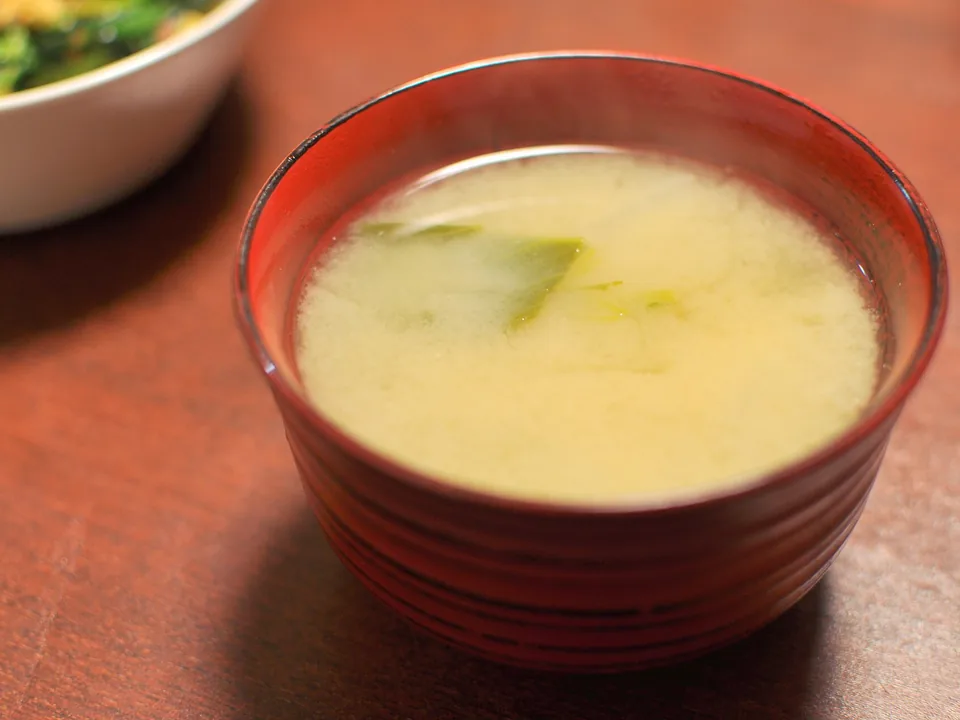
Miso soup
味噌汁 · misoshiru
Fermented soybean paste in dashi stock, often with tofu and wakame seaweed. In many homes it appears at breakfast and dinner, every day.
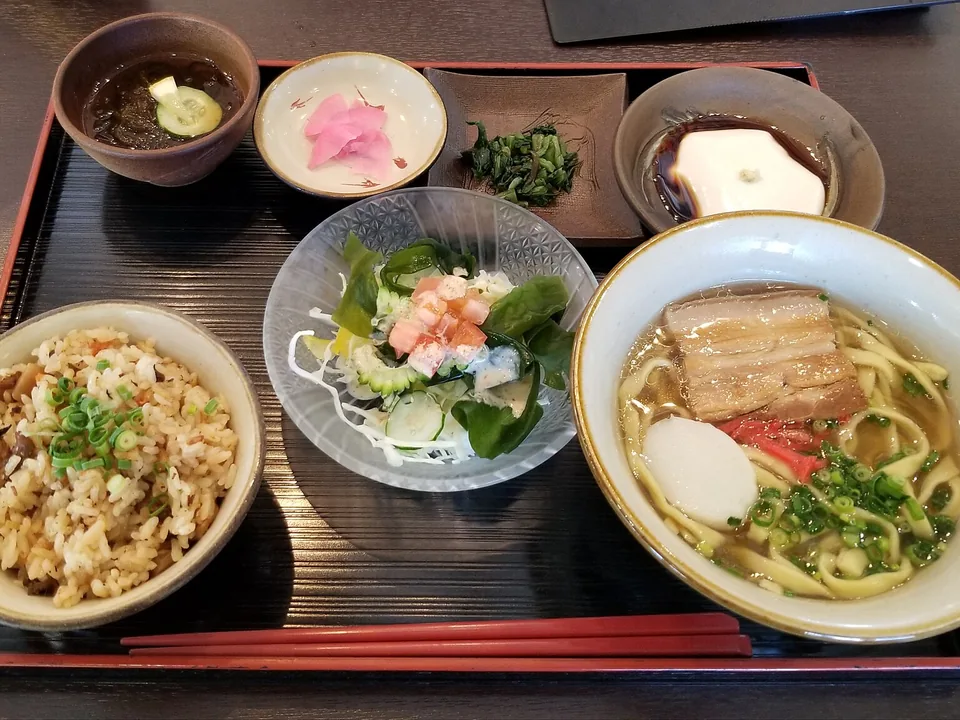
An Okinawan set meal
沖縄料理 · Okinawan home cooking
Mozuku seaweed, pickles, Okinawan spinach, peanut tofu (jimami), seasoned rice, bitter-gourd salad and Okinawa soba: small plates, many plants.
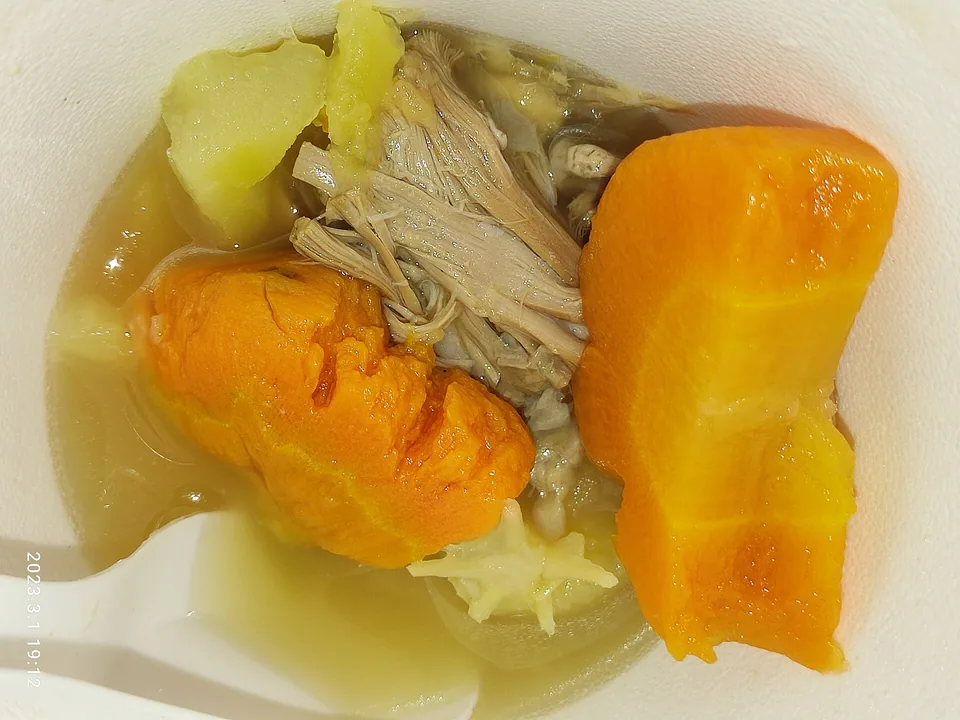
Lou fo tong
老火湯 · slow-fire soup
Cantonese families simmer pork, carrots, radish, dried dates or herbs for hours, then serve the broth before the meal. The soup changes with the season.
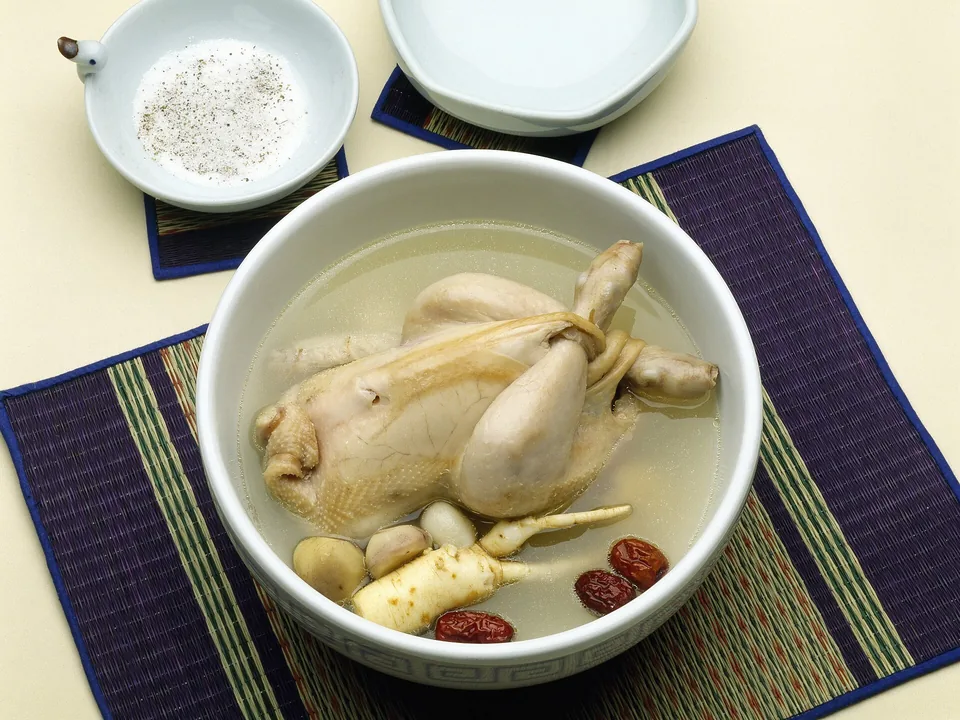
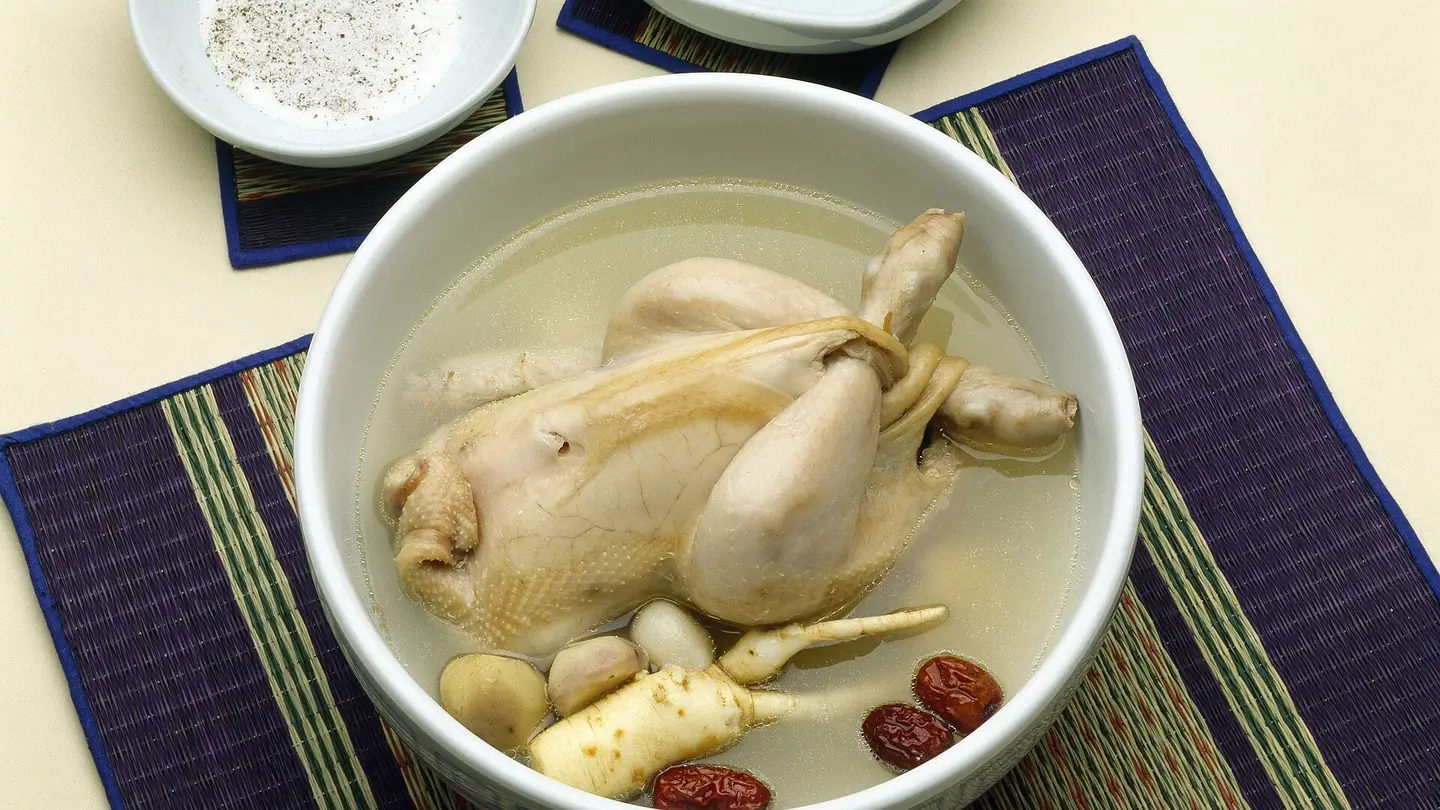
Samgyetang
삼계탕 · ginseng chicken soup
A whole young chicken simmered with a ginseng root, red dates (jujube), garlic and sticky rice, traditionally eaten on the hottest days of summer.
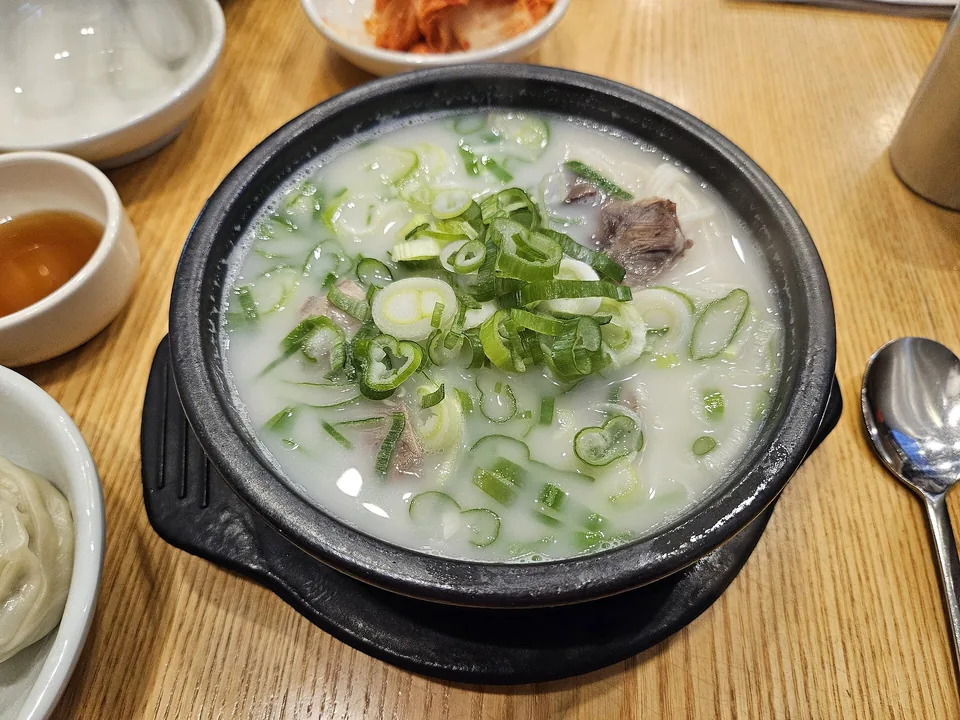
Seolleongtang
설렁탕 · ox-bone soup
A milky beef-bone broth simmered for many hours, seasoned at the table with salt and spring onion and eaten with rice and kimchi.

Daechu-cha
대추차 · jujube tea
Dried red dates (jujube) simmered into a sweet, warming tea, sometimes with ginger or pine nuts. In Chinese homes the same fruit goes into soups and congee.
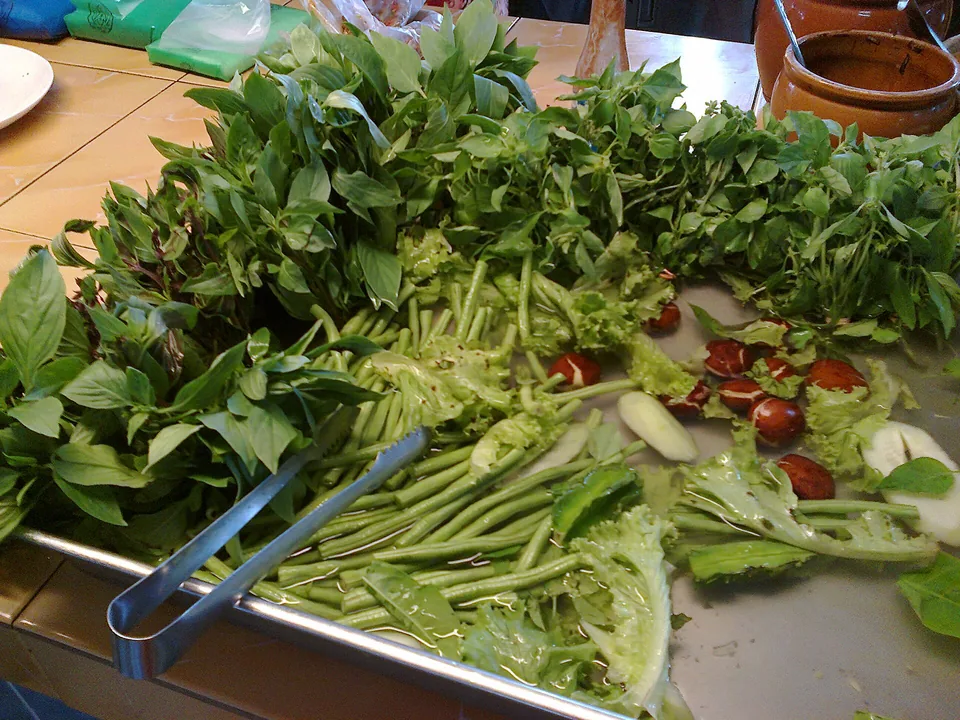
Ulam
ulam-ulaman · raw herb salad
Fresh leaves and shoots such as ulam raja, pegaga and petai, eaten raw with sambal or rice. A Malay table habit of many greens at every meal.
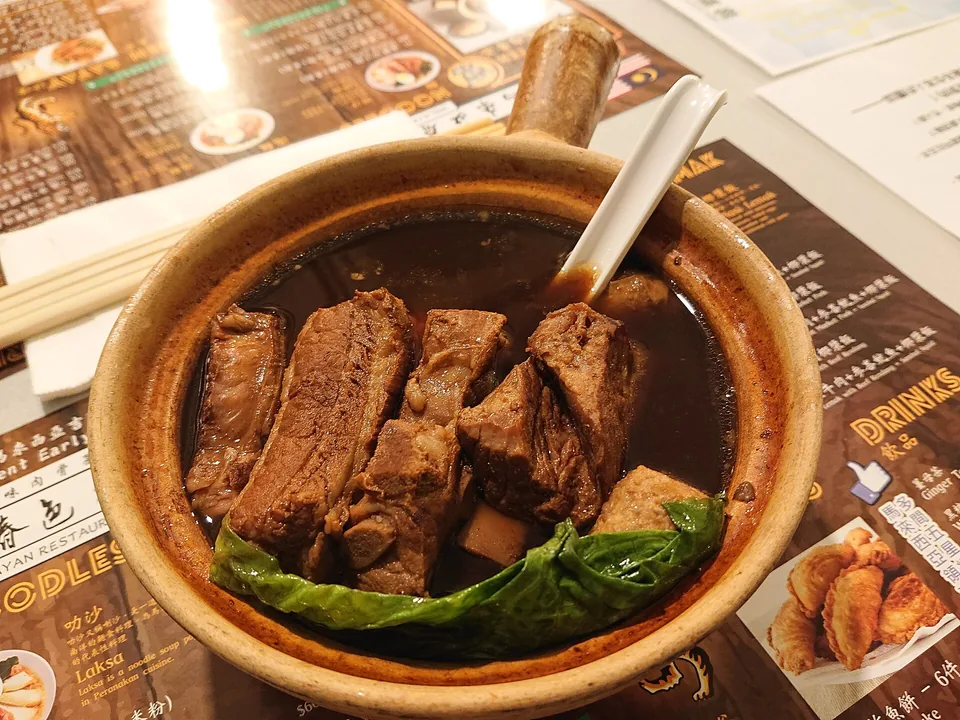
Bak kut teh
肉骨茶 · herbal pork-rib broth
Pork ribs simmered with garlic, star anise, cinnamon, dang gui and other herbs; a Klang-born breakfast now loved across the region. Rich and salty, so best as an occasional bowl.
Photos: real photographs from Wikimedia Commons, credited on our Sources page. They show typical home and restaurant versions, not any brand.
Everyday habits you can borrow
If you want to borrow from these traditions, the research points to the overall pattern rather than any single ingredient. Here are habits that fit both the traditions and the evidence:
- Make vegetables the default. Fill most of the table with vegetables, beans, tofu and seaweed, as in washoku, banchan and ulam11,40.
- Enjoy a soup, but go easy on salt. A vegetable-rich broth is a lovely habit. Taste before adding salt, soy sauce or fish sauce; reduced salt helped Japan’s longevity gains19.
- Keep a teapot going. If tea suits you, a few cups of plain green or other tea through the day fits the evidence best. Skip the sugar13,54.
- Choose fermented foods sensibly. Miso, natto, doenjang and kimchi are part of these traditions, but many are salty. Enjoy them in moderate portions26,47.
- Eat until about 80% full. Okinawan elders’ hara hachi bu is a gentle way to keep portions modest31.
- Move every day. Walk to the market, garden, practise tai chi or take the stairs. Long-lived regions build movement into ordinary life34. See our <a href="../articles/tai-chi-strength-training-after-50.html">tai chi and strength guide</a>.
- Eat together. Shared meals and close family and community ties stand out in long-lived populations20,32.
- Don’t smoke, and keep alcohol low. Tea does not cancel out smoking or heavy drinking38,15.
- Keep up check-ups. Universal healthcare, screening and blood-pressure control are a big part of Japan’s story18.
Modern longevity supplements: what the studies actually show
A newer wave of longevity supplements now sits beside the soup pot. Tech entrepreneur Bryan Johnson’s widely publicised “Blueprint” routine, among others, helped make names like NMN, urolithin A, spermidine and taurine familiar. His published results are self-tracked measurements on one person (n=1), not controlled trials, and we do not review, recommend or endorse any branded protocol, nor does he endorse Open Leaf.
The plain answer first: no supplement has been shown to extend human life. The best studies measure blood biomarkers or everyday function, such as strength, walking distance or recovery after training, usually for weeks or months, often in small groups and sometimes funded by the ingredient’s maker.
Several of these ingredients have East Asian roots: green tea and its EGCG, ginseng, astaxanthin from the algae behind pink salmon and shrimp, curcumin from turmeric, and spermidine from Japanese-style wheat germ and natto. Here is what the trials measured.
| Ingredient | East Asian link | What was measured | Evidence | Studies |
|---|---|---|---|---|
| Creatine | Not traditional; found in fish and meat | Strength and lean mass with resistance training | Good human evidence for function | 56,57 |
| Green tea and EGCG | Japanese and Chinese tea culture | Long-term mortality (as a drink); short-term alertness (extracts) | Observational only | 27,58 |
| Ginseng | Korean and Chinese tradition | Mood and memory tests; muscle-damage markers after exercise | Early / mixed | 59,60 |
| Spermidine (Japanese wheat germ) | Wheat germ, natto, soybeans and mushrooms | Mortality (diet); memory (supplement) | Observational only | 61,62 |
| Astaxanthin | Japanese algae and seafood pigment (salmon, shrimp) | Skin response to UV; oxidative and immune biomarkers | Early / mixed | 63,64 |
| Curcumin (turmeric) | Turmeric in Asian kitchens and Ayurveda | Muscle soreness and damage markers after exercise | Post-training recovery only | 65,66 |
| Urolithin A | Made by gut bacteria from pomegranate, berries and walnuts | Muscle endurance, strength, mitochondrial biomarkers | Early / mixed | 67,68,69 |
| NR (nicotinamide riboside) | Not traditional; a form of vitamin B3 | Blood NAD+ levels, safety | Early / mixed | 70,71 |
| NMN (nicotinamide mononucleotide) | Studied in Japan; another NAD+ precursor | Blood NAD, 6-minute walk, safety | Early / mixed | 72,73 |
| Omega-3 (fish oil) | Fish-rich Japanese and Okinawan diets | Muscle building, thinking tests, physical function | Early / mixed | 74,75,76 |
| Vitamin D | Sunlight; oily fish and mushrooms | Bone density; function in over-70s | Early / mixed | 77,76 |
| Collagen peptides | Bone broths and skin-on fish dishes | Lean mass with training; skin elasticity; joint comfort in athletes | Early / mixed | 78,79,80 |
| Taurine | Seafood, especially shellfish, and meat | Lifespan in animals; endurance performance | Mostly animal research | 81,82 |
| GlyNAC (glycine + NAC) | Not traditional | Glutathione and oxidative-stress markers, gait speed, strength | Early / mixed | 83,84 |
| Coenzyme Q10 | Not traditional; made by the body, in meat and fish | Tiredness and sprint speed during long exercise | Post-training recovery only | 85 |
| Extra-virgin olive oil | The Mediterranean counterpart to Asian tea and soy | Blood lipid and oxidation markers | Food, not a capsule | 86,87 |
Good human evidence for function Early / mixed Observational only Mostly animal research Food, not a capsule Post-training recovery only
Creatine
Good human evidence for functionNot traditional; found in fish and meat
The best-supported option on this list for function. Across 22 trials in adults with average ages of 57 to 70, adding creatine to resistance training gave a little more lean mass and strength than training alone. The training matters most.56,57
Green tea and EGCG
Observational onlyJapanese and Chinese tea culture
Drinking green tea is linked with lower risk of dying in large Japanese cohorts, but that is observational. In short trials, tea compounds (L-theanine with caffeine) helped alertness for a couple of hours; EGCG alone had little evidence. A cup of tea is not the same as a concentrated extract.27,58
Ginseng
Early / mixedKorean and Chinese tradition
Small, short trials: some mood and mental-arithmetic measures improved in young adults (one dose also slowed a task), and Korean red ginseng lowered muscle-damage markers after a hard uphill run. Interacts with some medicines, including warfarin.59,60
Spermidine (Japanese wheat germ)
Observational onlyWheat germ, natto, soybeans and mushrooms
People eating the most spermidine-rich food had lower mortality in an Italian cohort. But a 12-month trial of a wheat-germ spermidine supplement found no significant effect on memory or other main outcomes.61,62
Astaxanthin
Early / mixedJapanese algae and seafood pigment (salmon, shrimp)
Two tiny trials: slightly better skin tolerance of UV light and less moisture loss, and lower DNA-damage and inflammation markers in young women. Not a sunscreen substitute.63,64
Curcumin (turmeric)
Post-training recovery onlyTurmeric in Asian kitchens and Ayurveda
Small trials of special high-absorption forms: less soreness in some muscles in one study, lower muscle-damage and inflammation markers but no difference in soreness in another. Relevant to post-training recovery only.65,66
Urolithin A
Early / mixedMade by gut bacteria from pomegranate, berries and walnuts
Company-run trials in older and middle-aged adults found better endurance in some muscles, about 12% more leg strength and changes in mitochondrial markers, but both larger trials missed their main goals.67,68,69
NR (nicotinamide riboside)
Early / mixedNot traditional; a form of vitamin B3
Reliably raises NAD+ in blood and was well tolerated for weeks. Whether that changes how people feel or function is still unproven.70,71
NMN (nicotinamide mononucleotide)
Early / mixedStudied in Japan; another NAD+ precursor
A Japanese single-dose safety study and a 60-day trial of 80 adults: NAD rose and walking distance improved more than with placebo. Short, small and industry-supported.72,73
Omega-3 (fish oil)
Early / mixedFish-rich Japanese and Okinawan diets
Small trials found a bigger muscle-building response in older adults and better executive-function scores. But in DO-HEALTH, 3 years of omega-3 in healthy adults over 70 did not improve physical performance, thinking or other main outcomes. Eating fish is the traditional route.74,75,76
Vitamin D
Early / mixedSunlight; oily fish and mushrooms
Useful if you are low, which a blood test can show. For most adults, trials found little effect on bone density, and DO-HEALTH found no benefit for physical performance or other outcomes over 3 years.77,76
Collagen peptides
Early / mixedBone broths and skin-on fish dishes
Several small, mostly industry-funded trials: a little more lean mass and strength with resistance training in older men, better skin elasticity in women, and less activity-related joint discomfort in athletes.78,79,80
Taurine
Mostly animal researchSeafood, especially shellfish, and meat
A headline 2023 study extended lifespan in mice and improved health measures in monkeys; in humans only associations were found. A small meta-analysis showed a modest endurance-exercise boost. Human ageing trials are still needed.81,82
GlyNAC (glycine + NAC)
Early / mixedNot traditional
Two very small studies in older adults (8, then 24 people) found improved biomarkers and walking speed and strength; benefits faded after stopping. Promising but early.83,84
Coenzyme Q10
Post-training recovery onlyNot traditional; made by the body, in meat and fish
One small Japanese crossover trial found 300 mg eased self-rated tiredness after long cycling sessions. We describe it only for post-training tiredness and recovery.85
Extra-virgin olive oil
Food, not a capsuleThe Mediterranean counterpart to Asian tea and soy
Higher-polyphenol olive oil modestly improved HDL cholesterol and an oxidation marker in 200 healthy men. The large PREDIMED trial tested a whole Mediterranean diet, not a capsule, and had to be re-analysed after randomization problems.86,87
Talk to your doctor or pharmacist before starting any supplement, especially if you take medication, are pregnant or breastfeeding, or have a health condition. Ginseng, turmeric and some others can interact with blood thinners and other medicines. Food sources such as tea, fish, natto and turmeric in cooking come first.
We have no affiliate partners for these ingredients and link to no shops. This section summarises research; it is not a recommendation to buy anything.
Safety notes for herbal soups and teas
- Tell your doctor or pharmacist about herbal soups, teas and tonics, especially if you take blood thinners or other regular medicines, or are pregnant or breastfeeding. Most Penang patients in one survey had not53.
- Some herbs are dangerous in the wrong form. Raw aconite root (fuzi, chuanwu, caowu) in home-made soups has poisoned whole families in Hong Kong, even after long simmering88. Use reputable TCM shops and established recipes.
- Bone broths can carry lead. One small study found chicken-bone broths contained several times more lead than the water used89. Vary your soups and use good-quality ingredients.
- Mind the salt. Many traditional soups, pickles and fermented pastes are high in sodium.
- Ginseng and goji can interact with some medicines, including warfarin. See the safety sections in our <a href="../articles/asian-ginseng-busy-workday.html">ginseng</a> and <a href="../articles/goji-berry-eyes-everyday-aging.html">goji</a> guides.
Frequently asked questions
Do herbal soups and teas make Asian people live longer?
Nobody has shown that. Large studies in Japan, China, Korea and Singapore link traditional eating patterns, green tea and plant-rich diets with somewhat lower risk of dying during follow-up and better odds of healthy ageing, but these are observational studies. People who keep these habits also tend to differ in income, activity, smoking, body weight, family support and access to care. Japan’s rise to the top of the life-expectancy tables also owed a great deal to public health and universal health insurance.
Is it true that the longevity of Asian populations has been proven for generations?
The traditions are old and deeply valued, but long-term records of long life are recent and sometimes unreliable. Japan had the shortest life expectancy in the G7 in the 1960s and the longest only later. Okinawa, once famous as the world’s longest-lived place, lost much of its advantage as younger generations ate and lived differently. Historians have also questioned some early age records.
What is the strongest evidence?
Green tea and the overall traditional Japanese diet have the most consistent evidence: very large Japanese cohorts followed for 15 to 19 years link five or more cups of green tea a day, or eating closest to the traditional pattern, with roughly 10 to 15% lower risk of dying during follow-up. That is real but modest, and still association rather than proof.
What is the weakest evidence?
Claims that a specific herbal soup, tonic or herb such as astragalus, Chinese yam or a particular medicinal broth extends human life. We found no long-term human studies showing this. Most research on these herbs is in cells or animals.
What is TCM yaoshan?
Yaoshan (药膳) is the traditional Chinese practice of cooking food with herbs, such as goji, red dates, Chinese yam or astragalus in soups and congee, following the idea that some herbs are also everyday foods. We describe it as a cultural wellness ritual. It is not a medical treatment.
Are Okinawa and other blue zones real?
Okinawa is one of the regions that demographers have validated as having unusually many long-lived people, after checking birth records. But researchers caution that a blue zone’s diet is not automatically the cause of its longevity, that diets change over time, and that close social ties, everyday movement and purpose also stand out.
Do longevity supplements like NMN, urolithin A or spermidine work?
No supplement has been shown to make people live longer. Some raise blood markers such as NAD+, and a few small trials found modest changes in strength, walking distance or post-training recovery, often in company-funded studies. Creatine with resistance training has the strongest evidence for function. See our supplements section for each ingredient.
Can I take ginseng or herbal soups safely?
Most people enjoy food-amount herbal soups without problems, but some herbs interact with medicines, and a few, such as raw aconite root, have caused serious poisoning. Buy from reputable sellers, follow established recipes, avoid “stronger is better”, and tell your doctor or pharmacist what you take, especially if you take blood thinners or other regular medicines, or are pregnant.
Is bone broth a superfood?
Bone broths such as seolleongtang and Cantonese slow-fire soups are comforting, traditional and a pleasant way to eat more vegetables, but we found no good evidence that broth itself lengthens life. One small study found chicken-bone broths contained more lead than the water used to make them, and many broths are salty.
Research behind this page
89 sources: 79 studies and reviews, and 10 official statistics releases. Each study was checked against its PubMed, J-STAGE or publisher record, and each statistic against the official release, on 15 November 2026. 5 studies were published in Japanese, Chinese or Korean; we show the original title, our English translation in square brackets and a plain-English summary. Translations are Open Leaf’s own, not official ones. Inclusion is not an endorsement of any product.
Japan and Okinawa (21) · China, Hong Kong, Taiwan and TCM (13) · Korea (7) · Singapore, Malaysia and Southeast Asia (8) · Western and global comparisons (8) · Modern supplement trials and reviews (32)
Japan and Okinawa 21 sources
- [2] Official statistics
Ministry of Health, Labour and Welfare, Japan (2026). 令和7年簡易生命表の概況 (Abridged Life Tables for Japan 2025). MHLW, released July 2026.
In plain English: Life expectancy at birth in 2025: men 81.35 years, women 87.33 years.
- [10] Official statistics
Ministry of Health, Labour and Welfare, Japan (2026). 百歳高齢者表彰の対象者数 (Number of centenarians, as of September 2026). MHLW press release, 15 September 2026.
In plain English: 107,677 centenarians, the first time over 100,000 and the 56th record in a row; 94,298 women and 13,379 men; 87.51 per 100,000 people (Shimane highest at 186.65). In 1963 there were 153.
- [11] Study
Kurotani K, Akter S, Kashino I, et al. (2016). Quality of diet and mortality among Japanese men and women: Japan Public Health Center based prospective study. BMJ 352:i1209.
In plain English: JPHC: 79,594 adults aged 45–75 followed for a median of 15 years. People whose eating most closely matched the official Japanese Food Guide Spinning Top (grains, vegetables, fish and soy, fruit, dairy, limited snacks) had a 15% lower risk of dying during follow-up than those who matched it least.
- [12] Study
Matsuyama S, Sawada N, Tomata Y, et al. (2021). Association between adherence to the Japanese diet and all-cause and cause-specific mortality: the Japan Public Health Center-based Prospective Study. Eur J Nutr 60:1327-1336.
In plain English: JPHC: 92,969 adults followed for 18.9 years. A score built from eight traditional foods (rice, miso soup, seaweed, pickles, green and yellow vegetables, fish and green tea, with little beef and pork) was linked to a 14% lower risk of dying during follow-up for the highest scorers.
- [13] Study
Abe SK, Saito E, Sawada N, et al. (2019). Green tea consumption and mortality in Japanese men and women: a pooled analysis of eight population-based cohort studies in Japan. Eur J Epidemiol 34:917-926.
In plain English: A pooled analysis of eight Japanese cohorts, 313,381 people followed for an average of 17 years. Five or more cups of green tea a day went with a 10% (men) and 18% (women) lower risk of dying during follow-up, mostly from heart and cerebrovascular causes. The strongest single body of green-tea evidence, but still observational.
- [16] Study
Miyagi S, Iwama N, Kawabata T, et al. (2003). Longevity and diet in Okinawa, Japan: the past, present and future. Asia Pac J Public Health 15 Suppl:S3-9.
In plain English: By 1998, Okinawans were eating over 100 g of meat a day, fat supplied 30% of energy and intake of pulses and green and yellow vegetables had fallen to the national average. Men’s life expectancy ranking dropped. Younger Okinawans were turning away from traditional dishes.
- [17] Study
Hokama T, Binns C (2008). Declining longevity advantage and low birthweight in Okinawa. Asia Pac J Public Health 20 Suppl:95-101.
In plain English: By 2000, Okinawan men had lost their longevity advantage over mainland Japan and women’s lead was shrinking. Younger Okinawans now had higher heart-disease death rates than the rest of Japan. The authors also point to higher low birthweight rates after the war.
- [18] Study
Ikeda N, Saito E, Kondo N, et al. (2011). What has made the population of Japan healthy?. Lancet 378:1094-105.
In plain English: A Lancet series paper on why Japan became so long-lived. It credits post-war public health, universal health insurance, equal access to education and care, and falling stroke deaths, not one food or herb. A key reminder that healthcare and society matter as much as diet.
- [19] Study
Tsugane S (2021). Why has Japan become the world's most long-lived country: insights from a food and nutrition perspective. Eur J Clin Nutr 75:921-928.
In plain English: A National Cancer Center Japan review. Japan went from the shortest life expectancy in the G7 in the 1960s to the longest. Likely contributors: low obesity, fish, soy, green tea, less salt over time and a modest amount of Western foods such as milk and meat.
- [20] Study
Cockerham WC, Yamori Y (2001). Okinawa: an exception to the social gradient of life expectancy in Japan. Asia Pac J Clin Nutr 10:154–158.
In plain English: Okinawa was once Japan’s poorest prefecture yet had the longest life expectancy. The authors suggest diet and strong family and social support mattered more than wealth.
- [21] Study
Naito X (内藤楠登), Poulain M (2004). 沖縄における2000年までの死亡率の推移 [Mortality trends in Okinawa up to 2000]. 人口学研究 (Journal of Population Studies) 35:13–33.
Japanese Published in Japanese; title and summary translated by Open Leaf from the Japanese text on J-STAGE.
In plain English: A demographic study of Okinawan death rates from 1921 to 2000. In 2000 Okinawan women’s life expectancy was 86.01 years, 1.4 years above Japan’s, and Okinawa had over 40 centenarians per 100,000 people against about 15 nationally (2003). But death rates among young and middle-aged adults had risen since the late 1980s, and men’s ranking fell from 4th (1995) to 26th (2000): a long-lived pre-war generation and a less fortunate post-war one. The authors also flag doubts about old age records.
- [22] Study
Ohmi K (2016). Change of Self-recognition about the Accuracy of Data on Okinawa in the Mizushima Prefectural Life Table: Influence of His "Pre-publication of the 1921-25 Prefectural Life Table". Nihon Ishigaku Zasshi 62:395-412.
Published in Japanese with an English abstract.
In plain English: A history-of-medicine study of Okinawa’s pre-war life tables. The demographer who built them later judged Okinawa’s infant death records incomplete, yet those early tables were still used to support the idea that Okinawa was always a longevity prefecture. Useful caution about old data.
- [24] Study
Abe S, Zhang S, Tomata Y, et al. (2020). Japanese diet and survival time: The Ohsaki Cohort 1994 study. Clin Nutr 39:298-303.
In plain English: Ohsaki Cohort, Miyagi: older Japanese adults. The quarter who ate most like a traditional Japanese diet had a 9% lower risk of dying during follow-up and a median age at death about 10 months later than the lowest quarter. Observational.
- [25] Study
Matsuyama S, Shimazu T, Tomata Y, et al. (2022). Japanese Diet and Mortality, Disability, and Dementia: Evidence from the Ohsaki Cohort Study. Nutrients 14.
In plain English: A review of six Ohsaki Cohort papers. Closer adherence to the traditional Japanese diet went with a lower risk of death, of needing long-term care (functional disability) and of dementia onset in older adults; all associations, not proof of cause.
- [26] Study
Katagiri R, Sawada N, Goto A, et al. (2020). Association of soy and fermented soy product intake with total and cause specific mortality: prospective cohort study. BMJ 368:m34.
In plain English: JPHC: 92,915 adults followed for 14.8 years. Total soy intake was not linked to risk of death, but fermented soy (natto and miso) went with about a 10% lower risk in both sexes. The authors caution that other habits may explain part of the result.
- [27] Study
Kuriyama S, Shimazu T, Ohmori K, et al. (2006). Green tea consumption and mortality due to cardiovascular disease, cancer, and all causes in Japan: the Ohsaki study. JAMA 296:1255-65.
In plain English: Ohsaki Cohort, Miyagi: 40,530 adults aged 40–79 followed for up to 11 years. Compared with less than one cup a day, five or more cups of green tea a day went with a 12% lower risk of dying during follow-up in men and 23% in women. The link was mainly with circulatory deaths; there was no link with deaths from cancer. Observational.
- [28] Study
Saito E, Inoue M, Sawada N, et al. (2015). Association of green tea consumption with mortality due to all causes and major causes of death in a Japanese population: the Japan Public Health Center-based Prospective Study (JPHC Study). Ann Epidemiol 25:512-518.e3.
In plain English: Japan Public Health Center-based Prospective Study (JPHC): 90,914 adults followed for about 19 years. Five or more cups of green tea a day went with a 13% (men) and 17% (women) lower risk of dying during follow-up. Observational; tea drinkers may differ in other ways.
- [29] Study
Willcox DC, Willcox BJ, Todoriki H, et al. (2009). The Okinawan diet: health implications of a low-calorie, nutrient-dense, antioxidant-rich dietary pattern low in glycemic load. J Am Coll Nutr 28 Suppl:500S-516S.
In plain English: Describes the traditional Okinawan diet: sweet potato, green and yellow vegetables, soy and seaweed, low in fat, sugar and salt by today’s standards. Compares it with Mediterranean and DASH-style eating. A descriptive review.
- [30] Study
Willcox DC, Scapagnini G, Willcox BJ (2014). Healthy aging diets other than the Mediterranean: a focus on the Okinawan diet. Mech Ageing Dev 136-137:148-62.
In plain English: A review of the traditional Okinawan diet as a healthy-ageing pattern: root vegetables, soy foods, medicinal plants and garnishes, with fish and lean meat in moderation. It notes shared features with other healthy diets rather than any magic food.
- [31] Study
Willcox BJ, Willcox DC, Todoriki H, et al. (2007). Caloric restriction, the traditional Okinawan diet, and healthy aging: the diet of the world's longest-lived people and its potential impact on morbidity and life span. Ann N Y Acad Sci 1114:434-55.
In plain English: Six decades of archived data on older Okinawans: low calorie intake when young, life-long low body weight and survival patterns consistent with calorie restriction. Supports, but cannot prove, the idea that eating lightly played a part.
- [32] Study
Kodama S, Kurimori S, Hoshi T (2018). 沖縄県農村地域在住の自立高齢者における幸福感と3年後の生存との関連 [Association between feelings of happiness among independent older adults in an Okinawan farm village and survival three years later]. 日本公衆衛生雑誌 (Japanese Journal of Public Health) 65:199–209.
Japanese Published in Japanese; title and summary translated by Open Leaf from the Japanese abstract on J-STAGE.
In plain English: 1,471 independent older adults in an Okinawan farming village where mutual help is strong; 734 were included in the final analysis. People who said they felt happy had a 44% lower risk of dying over three years. Short follow-up and a small sample, but a reminder that social and emotional life sits beside diet.
China, Hong Kong, Taiwan and TCM 13 sources
- [3] Official statistics
Centre for Health Protection, Hong Kong (2026). Life expectancy at birth (male and female), 1971–2025. Department of Health, HKSAR.
In plain English: Life expectancy at birth in 2025: men 83.1 years, women 88.7 years.
- [6] Official statistics
Ministry of the Interior, Taiwan (2026). 2025 Abridged Life Table (114年簡易生命表). News release, 24 August 2026.
In plain English: Life expectancy at birth in 2025: 81.27 years (women 84.75, men 77.93).
- [7] Official statistics
National Health Commission, China (2026). 2025 Statistical Bulletin on the Development of Health in China. NHC, August 2026.
In plain English: Average life expectancy in 2025: 79.25 years.
- [35] Study
Chen J (2023). Essential role of medicine and food homology in health and wellness. Chinese Herbal Medicines.
In plain English: An editorial explaining “medicine and food homology” (药食同源), the TCM idea that some herbs such as goji, red dates and Chinese yam are also everyday foods, and China’s official list of them. A viewpoint, not a trial.
- [36] Study
Yang S, Yang H, Zhang Y (2023). Yao-Shan of traditional Chinese medicine: an old story for metabolic health. Front Pharmacol 14:1194026.
In plain English: A review of Yao-Shan (药膳, the TCM medicinal diet), with recipes traced back over 2,000 years. Most modern evidence it cites is from cells and animals, and recipes are not standardised. Good for history; not evidence that a soup lengthens life.
- [37] Study
Ruan R, Feng L, Li J, et al. (2013). Tea consumption and mortality in the oldest-old Chinese. J Am Geriatr Soc 61:1937-42.
In plain English: Chinese Longitudinal Healthy Longevity Survey (CLHLS): people aged 80 and over. Daily tea drinkers had a 10% lower risk of dying during follow-up than non-drinkers, after adjusting for income, habits and health. Observational, in the oldest old.
- [38] Study
Nie J, Chen L, Yu CQ, et al. (2022). 中国成年人饮茶与死亡风险的前瞻性关联研究 [A prospective study of tea drinking and risk of death in Chinese adults]. 中华流行病学杂志 (Chinese Journal of Epidemiology) 43:145–153.
Chinese Published in Chinese; title and summary translated by Open Leaf from the Chinese and English abstracts.
In plain English: China Kadoorie Biobank: 438,443 adults followed for a median of 11.1 years. Compared with never drinking tea, drinking it occasionally or daily went with an 11% and 8% lower risk of dying during follow-up, mainly in men. There was no overall link with cancer deaths, and among daily tea drinkers who smoked or drank heavily, cancer death risk was higher. Tea does not cancel out smoking.
- [39] Study
Shi X, Lv Y, Mao C, et al. (2019). Garlic Consumption and All-Cause Mortality among Chinese Oldest-Old Individuals: A Population-Based Cohort Study. Nutrients 11.
In plain English: CLHLS, adults aged 80 and over: people who ate garlic often (five or more times a week) had an 11% lower risk of dying during follow-up than those who rarely ate it. Garlic eaters may differ in other ways; this is an association.
- [40] Study
Chen H, Shen J, Xuan J, et al. (2022). Plant-based dietary patterns in relation to mortality among older adults in China. Nat Aging 2:224-230.
In plain English: CLHLS: older Chinese adults whose diets were richest in healthy plant foods had a 19% lower risk of dying during follow-up. Fresh fruit, vegetables, legumes, garlic, nuts and tea contributed most, while preserved (salted) vegetables and sugar went with higher risk. Quality of plant foods mattered.
- [41] Study
Liu Z, Wang Y, Zhang Y, et al. (2016). Cohort Profile: The Rugao Longevity and Ageing Study (RuLAS). Int J Epidemiol 45:1064-1073.
In plain English: A profile of the Rugao Longevity and Ageing Study in Jiangsu, a county known for many long-lived residents. It describes a cohort set up to study ageing and genetics; it does not show that any food or herb causes long life.
- [42] Study
Zhang YJ, Lyu YB, Zhou JH, et al. (2020). 中国8个长寿地区65岁及以上老年人体质指数水平及其影响因素分析 [Body mass index and related factors among adults aged 65 and over in eight longevity areas in China]. 中华流行病学杂志 (Chinese Journal of Epidemiology) 41:25–30.
Chinese Published in Chinese; title and summary translated by Open Leaf from the Chinese abstract.
In plain English: 2,217 people aged 65 and over in eight officially designated “longevity areas” of China (a CLHLS sub-cohort). Even here, 15.8% were underweight, 24.0% overweight and 7.7% obese. A reminder that longevity regions are not uniformly healthy and are changing too.
- [55] Study
Pradhan P, Wen W, Cai H, et al. (2022). Association of Ginseng Consumption With All-cause and Cause-specific Mortality: Shanghai Women's Health Study. J Epidemiol 32:469-475.
In plain English: Shanghai Women’s Health Study: regular ginseng users had an 8% lower risk of dying during follow-up; longer use went with lower risk, but the amount taken did not. Observational; women who use ginseng may differ in many ways.
- [88] Study
Chan TY (2014). Aconitum alkaloid poisoning related to the culinary uses of aconite roots. Toxins (Basel) 6:2605-11.
In plain English: A Hong Kong review of aconite root poisoning from home-made herbal soups and meals, including a family of 19 poisoned after 24 hours of simmering. Some traditional soup herbs can be dangerous.
Korea 7 sources
- [4] Official statistics
Ministry of Data and Statistics, Republic of Korea (2025). 2024 Life Tables for Korea. Released 3 December 2025.
In plain English: Life expectancy at birth in 2024: 83.7 years (men 80.8, women 86.6); life expectancy free of disease 65.5 years.
- [43] Study
Kim AJ (2004). 양생(養生) 측정 도구 개발에 관한 연구 [A study on developing a tool to measure yangsaeng (nourishing life)]. 대한간호학회지 (Journal of Korean Academy of Nursing) 34:729–738.
Korean Published in Korean; title and summary translated by Open Leaf from the Korean abstract.
In plain English: Develops a 31-item questionnaire to measure yangsaeng (養生), the traditional East Asian practice of “nourishing life” for long, healthy years. Its eight areas are morality, mind, diet, activity and rest, exercise, seasons, sleep and sexual life. Shows that tradition treats long life as a whole way of living, not one tonic.
- [44] Study
Kwak CS, Lee MS, Oh SI, et al. (2010). Discovery of novel sources of vitamin b(12) in traditional korean foods from nutritional surveys of centenarians. Curr Gerontol Geriatr Res 2010:374897.
In plain English: From Professor Park Sang-chul’s Korean centenarian research. Centenarians on a traditional, mostly plant-based diet were not more short of vitamin B12 than Western centenarians; fermented soybean foods (doenjang, cheonggukjang) and seaweed turned out to contain measurable B12. Lab analysis plus a small centenarian sample.
- [45] Study
Mun J, Kim S, Kim S, et al. (2025). Dietary habits of Koreans aged 95 years and older residing in rural and metropolitan areas. Nutr Res Pract 19:66-79.
In plain English: 155 Koreans aged 95 and over in rural Gurye, Gokseong and Sunchang, nearby Hwasun and Damyang, and Gwangju city. They ate less energy and grain but more seaweed, meat and poultry than Koreans over 80 in the national survey. Cross-sectional; the authors call for long-term studies.
- [46] Study
Lim J, Lee Y, Shin S, et al. (2018). An association between diet quality index for Koreans (DQI-K) and total mortality in Health Examinees Gem (HEXA-G) study. Nutr Res Pract 12:258-264.
In plain English: Health Examinees-Gem study: 134,547 Korean adults. Those with a poor diet-quality score (low whole grains, fruit and vegetables, high fat and sodium) had a 23% higher risk of dying during follow-up than those with a good score. Observational.
- [47] Study
Jung H, Yun YR, Hong SW, et al. (2024). Association between kimchi consumption and obesity based on BMI and abdominal obesity in Korean adults: a cross-sectional analysis of the Health Examinees study. BMJ Open 14:e076650.
In plain English: HEXA study, 115,726 Korean adults. Men who ate one to three servings of kimchi a day had somewhat lower odds of obesity, but the pattern was J-shaped: eating more was not better, and kimchi is salty. Cross-sectional; it does not show kimchi causes weight change.
- [48] Study
Yi SW, Sull JW, Hong JS, et al. (2009). Association between ginseng intake and mortality: Kangwha cohort study. J Altern Complement Med 15:921-8.
In plain English: Kangwha Cohort, rural Korea, about 6,300 adults aged 55 and over. Men who used ginseng had a 10% lower risk of dying during follow-up; there was no link in women. Ginseng users may have differed in other ways.
Singapore, Malaysia and Southeast Asia 8 sources
- [5] Official statistics
Department of Statistics Singapore (2026). Complete Life Tables for Singapore Resident Population, 2024–2025. SingStat.
In plain English: Life expectancy at birth: 83.9 years (men 81.8, women 86.0).
- [14] Study
Zhou YF, Song XY, Pan A, et al. (2023). Nutrition and Healthy Ageing in Asia: A Systematic Review. Nutrients 15.
In plain English: A systematic review of 71 papers from 24 Asian cohorts (Singapore, China, Japan, Thailand). Most found that eating more vegetables, fruit, fish, nuts, legumes, tea and dairy at midlife went with better odds of healthy ageing. All observational.
- [15] Study
Zhou YF, Song XY, Pan XF, et al. (2021). Association Between Combined Lifestyle Factors and Healthy Ageing in Chinese Adults: The Singapore Chinese Health Study. J Gerontol A Biol Sci Med Sci 76:1796-1805.
In plain English: Singapore Chinese Health Study: 14,159 adults followed for about 20 years; about 20% aged healthily (no major chronic disease, good thinking, mood and physical function). Each extra healthy habit (healthy weight, good diet, activity, no smoking, little alcohol) went with about 25% higher odds of healthy ageing.
- [49] Study
Zhou YF, Lai JS, Chong MF, et al. (2022). Association between changes in diet quality from mid-life to late-life and healthy ageing: the Singapore Chinese Health Study. Age Ageing 51.
In plain English: Singapore Chinese Health Study: people who improved their diet quality from midlife to later life had 19% higher odds of healthy ageing than those whose diet stayed the same; a consistently good diet went with about double the odds.
- [50] Study
Chua KY, Li H, Lim WS, et al. (2023). Consumption of Coffee, Tea, and Caffeine at Midlife, and the Risk of Physical Frailty in Late Life. J Am Med Dir Assoc 24:1655-1662.e3.
In plain English: Singapore Chinese Health Study: people who drank tea every day in midlife had 18% lower odds of physical frailty about 20 years later than those who hardly drank tea. Observational.
- [51] Study
You YX, Shahar S, Mohamad M, et al. (2020). Does traditional asian vegetables (ulam) consumption correlate with brain activity using fMRI? A study among aging adults from low-income households. J Magn Reson Imaging 51:1142-1153.
In plain English: A Malaysian study of 32 older adults: higher ulam (raw herb and leaf salad) intake went with better working-memory scores and stronger activity in a thinking region of the brain on MRI. Tiny and cross-sectional; the authors say trials are needed.
- [52] Study
Nazri NSM, Vanoh D, Soo KL (2022). Natural Food for Sarcopenia: A Narrative Review. Malays J Med Sci 29:28-42.
In plain English: A Malaysian Journal of Medical Sciences review: older adults eating more protein, vegetables and fruit, or Japanese- or Mediterranean-style patterns, tended to keep more muscle. Supports whole-food eating over single supplements.
- [53] Study
Saw JT, Bahari MB, Ang HH, et al. (2006). Herbal use amongst multiethnic medical patients in Penang Hospital: pattern and perceptions. Med J Malaysia 61:422–432.
In plain English: About two-thirds of 250 Penang Hospital patients used herbal products alongside their medicines, and over 90% had not told their doctor. A reason to mention herbal soups and tonics to yours.
Western and global comparisons 8 sources
- [1] Official statistics
World Health Organization (2025). Global Health Observatory: life expectancy at birth (WHOSIS_000001) and healthy life expectancy, HALE (WHOSIS_000002). WHO GHO data, 2023 estimates.
In plain English: 2023 estimates for both sexes used in our chart.
- [8] Official statistics
Eurostat (2026). Life expectancy by age and sex (demo_mlexpec). European Commission, updated November 2026.
In plain English: EU-27 life expectancy at birth in 2024: 81.5 years.
- [9] Official statistics
National Center for Health Statistics, USA (2026). Mortality in the United States, 2024 (NCHS Data Brief No. 548). CDC, January 2026.
In plain English: Life expectancy at birth in 2024: 79.0 years (women 81.4, men 76.5).
- [23] Study
Pes GM, Dore MP, Tsofliou F, et al. (2022). Diet and longevity in the Blue Zones: A set-and-forget issue?. Maturitas 164:31-37.
In plain English: A review by Blue Zone researchers: it is too often assumed that a long-lived population’s diet caused its longevity, and that the diet stays the same over time. Neither is proven.
- [33] Study
Poulain M, Herm A (2025). Blue Zone, a Demographic Concept and Beyond. Am J Lifestyle Med:15598276251342502.
In plain English: Explains how Blue Zones, including Okinawa, are identified, starting with strict checks that centenarians’ ages are real. Notes the criticism about age records.
- [34] Study
Poulain M, Herm A (2026). How to become a centenarian in four weeks?. Myths and limits of longevity recipes: a critical review. Minerva Med 117:147-160.
In plain English: A critical review of “longevity recipes”. No single factor determines extreme longevity; lifelong everyday activity, frugal stable diets, close family and community ties and ways of handling stress appear to work together.
- [54] Study
Inoue-Choi M, Ramirez Y, Cornelis MC, et al. (2022). Tea Consumption and All-Cause and Cause-Specific Mortality in the UK Biobank : A Prospective Cohort Study. Ann Intern Med 175:1201-1211.
In plain English: UK Biobank, nearly half a million British adults (mostly black tea). Two or more cups a day went with a 9–13% lower risk of dying over 11 years. A Western comparison: the tea association is not unique to Asia or to green tea.
- [89] Study
Monro JA, Leon R, Puri BK (2013). The risk of lead contamination in bone broth diets. Med Hypotheses 80:389-90.
In plain English: A small UK study: chicken bone broths contained several times more lead than the water they were made with (up to about 9.5 µg/L). A reason not to treat bone broth as automatically pure; one small study.
Modern supplement trials and reviews 32 sources
- [56] Study
Kreider RB, Kalman DS, Antonio J, et al. (2017). International Society of Sports Nutrition position stand: safety and efficacy of creatine supplementation in exercise, sport, and medicine. J Int Soc Sports Nutr 14:18.
In plain English: International Society of Sports Nutrition position stand: creatine is one of the most-studied supplements, improving high-intensity exercise capacity and training adaptations, and is considered safe in healthy people at studied doses. A review, not a single trial.
- [57] Study
Chilibeck PD, Kaviani M, Candow DG, et al. (2017). Effect of creatine supplementation during resistance training on lean tissue mass and muscular strength in older adults: a meta-analysis. Open Access J Sports Med 8:213-226.
In plain English: Meta-analysis of 22 randomized trials, 721 adults with average ages 57–70, doing resistance training 2–3 times a week. Adding creatine gave about 1.4 kg more lean mass and greater chest and leg strength than training with placebo.
- [58] Study
Camfield DA, Stough C, Farrimond J, et al. (2014). Acute effects of tea constituents L-theanine, caffeine, and epigallocatechin gallate on cognitive function and mood: a systematic review and meta-analysis. Nutr Rev 72:507-22.
In plain English: Meta-analysis of 11 small placebo-controlled studies of tea compounds. L-theanine plus caffeine improved alertness and attention-switching in the first two hours; evidence for EGCG on its own was limited. Short-term mood and focus, not ageing.
- [59] Study
Reay JL, Scholey AB, Kennedy DO (2010). Panax ginseng (G115) improves aspects of working memory performance and subjective ratings of calmness in healthy young adults. Hum Psychopharmacol 25:462-71.
In plain English: Crossover trial, 30 healthy young adults, Panax ginseng extract (200 or 400 mg) or placebo for 8 days. Some mood and mental-arithmetic measures improved, but 200 mg also slowed one task. Mixed, short-term.
- [60] Study
Jung HL, Kwak HE, Kim SS, et al. (2011). Effects of Panax ginseng supplementation on muscle damage and inflammation after uphill treadmill running in humans. Am J Chin Med 39:441-50.
In plain English: Korean randomized trial, 18 male students, Korean red ginseng extract or placebo around a hard uphill treadmill run. Blood markers of muscle damage (CK) and inflammation (IL-6) were lower in the ginseng group during recovery. Very small; post-exercise recovery only.
- [61] Study
Kiechl S, Pechlaner R, Willeit P, et al. (2018). Higher spermidine intake is linked to lower mortality: a prospective population-based study. Am J Clin Nutr 108:371-380.
In plain English: Bruneck Study, Italy: 829 adults followed for 20 years. People whose diets were highest in spermidine (found in wheat germ, soybeans, mushrooms, aged cheese) had lower all-cause mortality. Observational: food, not supplements.
- [62] Study
Schwarz C, Benson GS, Horn N, et al. (2022). Effects of Spermidine Supplementation on Cognition and Biomarkers in Older Adults With Subjective Cognitive Decline: A Randomized Clinical Trial. JAMA Netw Open 5:e2213875.
In plain English: SmartAge trial, Germany: 100 adults aged 60–90 with self-reported memory worries, wheat-germ spermidine supplement (0.9 mg/day) or placebo for 12 months. No significant effect on the main memory test or other outcomes; some exploratory hints only.
- [63] Study
Ito N, Seki S, Ueda F (2018). The Protective Role of Astaxanthin for UV-Induced Skin Deterioration in Healthy People-A Randomized, Double-Blind, Placebo-Controlled Trial. Nutrients 10.
In plain English: Japanese randomized trial, 23 healthy adults, 4 mg/day astaxanthin or placebo for 10 weeks. Skin needed slightly more UV to redden and lost less moisture after UV exposure. Tiny; run by a manufacturer. Not a substitute for sunscreen.
- [64] Study
Park JS, Chyun JH, Kim YK, et al. (2010). Astaxanthin decreased oxidative stress and inflammation and enhanced immune response in humans. Nutr Metab (Lond) 7:18.
In plain English: Randomized trial, 42 healthy young women, astaxanthin 2 or 8 mg/day or placebo for 8 weeks. A DNA-damage marker and CRP fell and some immune-cell measures changed. Biomarkers only, small.
- [65] Study
Drobnic F, Riera J, Appendino G, et al. (2014). Reduction of delayed onset muscle soreness by a novel curcumin delivery system (Meriva®): a randomised, placebo-controlled trial. J Int Soc Sports Nutr 11:31.
In plain English: Pilot trial, 20 active men, a bioavailable curcumin (Meriva) or placebo around a downhill run. Less self-rated thigh soreness and fewer MRI signs of muscle strain in some areas. Single-blind and small; post-exercise recovery only.
- [66] Study
McFarlin BK, Venable AS, Henning AL, et al. (2016). Reduced inflammatory and muscle damage biomarkers following oral supplementation with bioavailable curcumin. BBA Clin 5:72-8.
In plain English: Randomized trial, 28 adults, 400 mg/day curcumin (Longvida) or placebo around hard leg-press exercise. Smaller rises in CK and some inflammatory markers, but no difference in muscle soreness. Post-exercise recovery biomarkers only.
- [67] Study
Andreux PA, Blanco-Bose W, Ryu D, et al. (2019). The mitophagy activator urolithin A is safe and induces a molecular signature of improved mitochondrial and cellular health in humans. Nat Metab 1:595-603.
In plain English: First-in-human safety trial in healthy, inactive older adults. Urolithin A was well tolerated and changed blood and muscle markers of mitochondrial activity over 4 weeks. Biomarkers only; run by the ingredient’s maker.
- [68] Study
Liu S, D'Amico D, Shankland E, et al. (2022). Effect of Urolithin A Supplementation on Muscle Endurance and Mitochondrial Health in Older Adults: A Randomized Clinical Trial. JAMA Netw Open 5:e2144279.
In plain English: Randomized trial, 66 adults aged 65–90, 1,000 mg urolithin A or placebo for 4 months. Muscle endurance in a hand and a leg muscle improved and some blood markers (acylcarnitines, ceramides, CRP) fell, but the main goals, 6-minute walk distance and muscle energy production, did not improve significantly. Company-supported.
- [69] Study
Singh A, D'Amico D, Andreux PA, et al. (2022). Urolithin A improves muscle strength, exercise performance, and biomarkers of mitochondrial health in a randomized trial in middle-aged adults. Cell Rep Med 3:100633.
In plain English: Randomized trial in middle-aged adults, two doses of urolithin A for 4 months. Leg muscle strength rose about 12% and some endurance and walk-test measures improved, but the main goal (peak power output) did not. Run by the ingredient’s maker.
- [70] Study
Martens CR, Denman BA, Mazzo MR, et al. (2018). Chronic nicotinamide riboside supplementation is well-tolerated and elevates NAD(+) in healthy middle-aged and older adults. Nat Commun 9:1286.
In plain English: Crossover trial, healthy middle-aged and older adults, 6 weeks of nicotinamide riboside (NR) vs placebo. NR was well tolerated and raised NAD+ in blood; effects on body function were early hints only, needing larger trials.
- [71] Study
Conze D, Brenner C, Kruger CL (2019). Safety and Metabolism of Long-term Administration of NIAGEN (Nicotinamide Riboside Chloride) in a Randomized, Double-Blind, Placebo-controlled Clinical Trial of Healthy Overweight Adults. Sci Rep 9:9772.
In plain English: 8-week randomized trial in overweight but otherwise healthy adults. NR at 100–1,000 mg raised whole-blood NAD+ by 22–142% with no more side effects than placebo. A safety and biomarker study by the ingredient’s maker.
- [72] Study
Irie J, Inagaki E, Fujita M, et al. (2020). Effect of oral administration of nicotinamide mononucleotide on clinical parameters and nicotinamide metabolite levels in healthy Japanese men. Endocr J 67:153-160.
In plain English: Japanese single-arm safety study: 10 healthy men took one dose of NMN (100–500 mg). No significant symptoms or harmful changes over 5 hours, and NMN breakdown products rose in blood. No placebo, no long-term data.
- [73] Study
Yi L, Maier AB, Tao R, et al. (2023). The efficacy and safety of β-nicotinamide mononucleotide (NMN) supplementation in healthy middle-aged adults: a randomized, multicenter, double-blind, placebo-controlled, parallel-group, dose-dependent clinical trial. Geroscience 45:29-43.
In plain English: Randomized trial, 80 healthy middle-aged adults, 300–900 mg NMN or placebo for 60 days. Blood NAD rose and 6-minute walk distance improved more than with placebo; a “blood biological age” score stayed level. Short, small and industry-supported.
- [74] Study
Smith GI, Atherton P, Reeds DN, et al. (2011). Dietary omega-3 fatty acid supplementation increases the rate of muscle protein synthesis in older adults: a randomized controlled trial. Am J Clin Nutr 93:402-12.
In plain English: Randomized trial, 16 healthy older adults, omega-3 or corn oil for 8 weeks. Omega-3 increased the muscle-building response to a laboratory infusion of nutrients, but not resting muscle building. Very small, lab measures.
- [75] Study
Witte AV, Kerti L, Hermannstädter HM, et al. (2014). Long-chain omega-3 fatty acids improve brain function and structure in older adults. Cereb Cortex 24:3059-68.
In plain English: Randomized trial, 65 healthy adults aged 50–75, 2.2 g/day fish-oil omega-3 or placebo for 26 weeks. Executive-function scores and some brain-scan measures improved more than with placebo. Small and short.
- [76] Study
Bischoff-Ferrari HA, Vellas B, Rizzoli R, et al. (2020). Effect of Vitamin D Supplementation, Omega-3 Fatty Acid Supplementation, or a Strength-Training Exercise Program on Clinical Outcomes in Older Adults: The DO-HEALTH Randomized Clinical Trial. JAMA 324:1855-1868.
In plain English: DO-HEALTH: 2,157 healthy, active adults aged 70+ in Europe, randomized to vitamin D3 2,000 IU/day, omega-3 1 g/day and/or a home strength programme for 3 years. None of them, alone or combined, significantly improved blood pressure, physical performance, thinking scores, fractures or infections.
- [77] Study
Reid IR, Bolland MJ, Grey A (2014). Effects of vitamin D supplements on bone mineral density: a systematic review and meta-analysis. Lancet 383:146-55.
In plain English: Meta-analysis of 23 trials, 4,082 adults (mostly women, average age 59). Vitamin D supplements made no meaningful difference to bone mineral density, except a very small change at one hip site. The authors saw little reason for routine use in people without risk of deficiency.
- [78] Study
Zdzieblik D, Oesser S, Baumstark MW, et al. (2015). Collagen peptide supplementation in combination with resistance training improves body composition and increases muscle strength in elderly sarcopenic men: a randomised controlled trial. Br J Nutr 114:1237-45.
In plain English: Randomized trial, 53 older men (average 72) with low muscle mass doing 12 weeks of resistance training. Those taking 15 g/day collagen peptides gained more fat-free mass and leg strength than with placebo. Training did most of the work; the supplement added a little. Industry-supported.
- [79] Study
Proksch E, Segger D, Degwert J, et al. (2014). Oral supplementation of specific collagen peptides has beneficial effects on human skin physiology: a double-blind, placebo-controlled study. Skin Pharmacol Physiol 27:47-55.
In plain English: Randomized trial, 69 women aged 35–55, 2.5 or 5 g/day collagen peptides for 8 weeks. Skin elasticity improved more than with placebo; moisture changes were not significant. Small and short.
- [80] Study
Clark KL, Sebastianelli W, Flechsenhar KR, et al. (2008). 24-Week study on the use of collagen hydrolysate as a dietary supplement in athletes with activity-related joint pain. Curr Med Res Opin 24:1485-96.
In plain English: 24-week randomized trial in 147 college athletes with activity-related joint discomfort (97 analysed). 10 g/day collagen hydrolysate eased several self-rated joint-discomfort scores more than placebo. High drop-out; industry-supported.
- [81] Study
Singh P, Gollapalli K, Mangiola S, et al. (2023). Taurine deficiency as a driver of aging. Science 380:eabn9257.
In plain English: Science paper: blood taurine falls with age in mice, monkeys and people. Taurine supplements extended healthy lifespan and lifespan in mice and improved health measures in middle-aged monkeys. In humans, only associations were reported; the authors call for human trials.
- [82] Study
Waldron M, Patterson SD, Tallent J, et al. (2018). The Effects of an Oral Taurine Dose and Supplementation Period on Endurance Exercise Performance in Humans: A Meta-Analysis. Sports Med 48:1247-1253.
In plain English: Meta-analysis of 10 small studies: a single dose of taurine (1–6 g) modestly improved endurance exercise performance. About sport performance, not ageing.
- [83] Study
Kumar P, Liu C, Hsu JW, et al. (2021). Glycine and N-acetylcysteine (GlyNAC) supplementation in older adults improves glutathione deficiency, oxidative stress, mitochondrial dysfunction, inflammation, insulin resistance, endothelial dysfunction, genotoxicity, muscle strength, and cognition: Results of a pilot clinical trial. Clin Transl Med 11:e372.
In plain English: Open-label pilot: 8 older and 8 younger adults. 24 weeks of GlyNAC (glycine plus N-acetylcysteine) in the older group raised glutathione, lowered oxidative-stress markers and improved gait speed and grip strength; gains faded after stopping. No placebo group.
- [84] Study
Kumar P, Liu C, Suliburk J, et al. (2023). Supplementing Glycine and N-Acetylcysteine (GlyNAC) in Older Adults Improves Glutathione Deficiency, Oxidative Stress, Mitochondrial Dysfunction, Inflammation, Physical Function, and Aging Hallmarks: A Randomized Clinical Trial. J Gerontol A Biol Sci Med Sci 78:75-89.
In plain English: Randomized trial, 24 older adults, GlyNAC or placebo for 16 weeks (plus 12 young adults). GlyNAC improved glutathione and oxidative-stress markers, gait speed, strength and walk-test scores versus placebo. Very small.
- [85] Study
Mizuno K, Tanaka M, Nozaki S, et al. (2008). Antifatigue effects of coenzyme Q10 during physical fatigue. Nutrition 24:293-9.
In plain English: Japanese crossover trial, 17 healthy volunteers, 8 days of coenzyme Q10 (100 or 300 mg) or placebo before long cycling sessions. The 300 mg dose eased self-rated tiredness after exercise and helped maintain sprint speed. Small, short; about exercise tiredness and recovery only.
- [86] Study
Covas MI, Nyyssönen K, Poulsen HE, et al. (2006). The effect of polyphenols in olive oil on heart disease risk factors: a randomized trial. Ann Intern Med 145:333-41.
In plain English: EUROLIVE: crossover trial in 200 healthy men in five European countries, 25 mL/day of olive oils with low, medium or high polyphenol content for 3 weeks each. Higher-polyphenol oil raised HDL cholesterol a little more and lowered oxidized-LDL markers. A food, studied for blood markers.
- [87] Study
Estruch R, Ros E, Salas-Salvadó J, et al. (2018). Primary Prevention of Cardiovascular Disease with a Mediterranean Diet Supplemented with Extra-Virgin Olive Oil or Nuts. N Engl J Med 378:e34.
In plain English: PREDIMED, Spain: 7,447 adults aged 55–80, Mediterranean diet with extra-virgin olive oil or nuts vs advice to cut fat, for a median 4.8 years. The original 2013 report was withdrawn and republished in 2018 after randomization problems were found. It tested a whole diet pattern, not a capsule, so we do not treat it as a supplement result.