The cheapest tools in the cupboard
Not everything on Open Leaf comes in a bottle. Some of the strongest East-meets-West ideas are free: the Japanese practice of shinrin-yoku, or "forest bathing", and the slow, deliberate breathing found in qigong and tai chi. Western labs have spent the last few decades measuring what happens when people do these things, and the results are encouraging.
There is nothing to buy in this guide, and we think that is a strength.
Shinrin-yoku: what forest bathing means
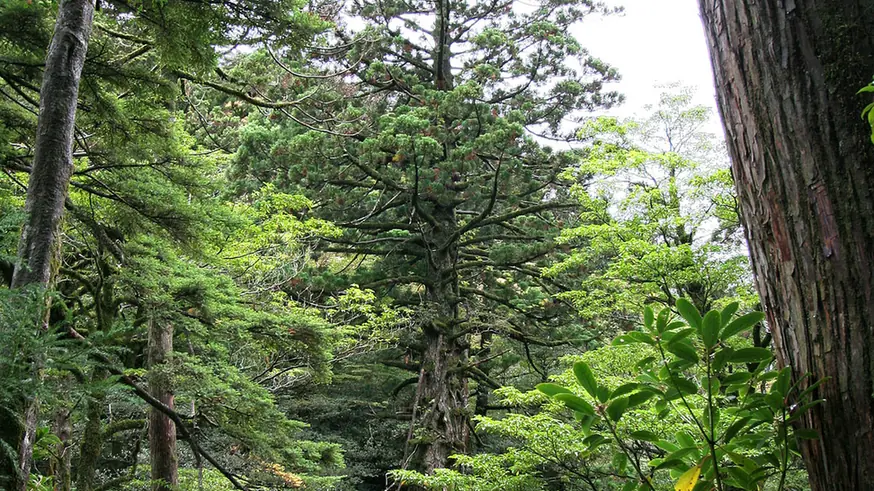
Shinrin-yoku was named in Japan in the 1980s. It is not hiking or exercise in the gym sense. It is slow, unhurried time among trees, paying attention to sound, smell and light. In Malaysia that could mean a morning at a city park, a forest reserve trail or a botanical garden.
What the research says about forest time
A 2019 systematic review and meta-analysis pooled studies that measured salivary cortisol, a common stress biomarker, in people who spent time in forests versus urban settings. Cortisol was significantly lower in the forest groups, on a short-term basis. The authors noted that expectation effects may play a role and that more research is needed because data were limited.1
Strength of evidencemoderate for short-term changes in a stress biomarker; limited for long-term effects.
Slow breathing: the qigong idea, measured
Many East Asian movement practices pair slow movement with slow, deep breathing. A systematic review in Frontiers in Human Neuroscience looked at studies of slow breathing, roughly six breaths a minute or slower, in healthy people. It linked slow breathing with greater heart-rate variability, a marker of the "rest and digest" side of the nervous system, and with better emotional control, relaxation and alertness.2
Strength of evidencemoderate for short-term physiological and mood effects in healthy people.
Meditation: the Western clinical view
A large JAMA Internal Medicine systematic review of meditation programs found that mindfulness meditation produced small to moderate reductions in anxiety, depression and pain, and in psychological stress more generally. It found no evidence that meditation was better than active alternatives such as exercise.3 The NIH's NCCIH describes meditation as generally safe for healthy people, while noting that a small number of people report uncomfortable experiences.4
In other words: helpful, not magic, and one tool among several.
A practical day for our engineer
- Between meetings: the 4-6 breath. Breathe in through the nose for about four seconds, out slowly for about six. Ten rounds take about a minute and a half.
- Lunch: ten minutes outside. Walk somewhere with trees, without earphones if you can. It also counts toward the World Health Organization's weekly physical activity guidance of 150 to 300 minutes of moderate activity.5
- After work: a screen boundary. Choose a time after which work messages wait until morning, and tell your team.
- Weekend: a slow forest morning. Two hours at a park or forest reserve, at walking pace, phone on silent.
- Bedtime: five minutes of breathing in bed. The same slow rhythm can help the mind settle.
Why these practices work well together
Breathing, walking among trees and meditation share a thread: each one asks you to slow down and pay attention to the present moment. Qigong teachers describe this as gathering the breath and settling the mind; Western researchers describe it as shifting from the stress response toward the relaxation response. The words differ, yet both describe the same practical experience of a calmer body. You do not need to choose a side. A slow breath at your desk, a walk under trees at lunch and ten minutes of quiet in the evening make a small daily routine, and routines are what change how a month feels.
Pairing with botanicals, carefully
Some readers like a warm cup alongside these practices: a green tea in the morning, or a caffeine-free herbal blend at night. That pairing is a pleasant ritual. Just remember that green tea contains caffeine, and that herbs such as ginseng, ashwagandha and reishi have real interactions with some medicines. Our individual botanical guides cover those cautions in detail.
Safety notes
- Breathing practices are generally safe, but stop if you feel light-headed and return to normal breathing. People with lung or heart conditions should ask their doctor which practices suit them.
- Forest walks in Malaysia's heat: carry water, protect against mosquitoes, and avoid midday sun.
- Meditation can occasionally bring up difficult feelings. That is a reason to go gently, or to try a guided class.4
Talk to your doctor if stress is affecting your sleep, appetite, mood or relationships for more than a couple of weeks, or if you have thoughts of harming yourself. In Malaysia, Befrienders offers emotional support. Self-help is a complement to care, never a replacement.
The bottom line
Forest bathing from Japan and slow breathing from Chinese movement traditions are two of the most accessible stress tools there are, and Western research now gives them a measurable footing. They will not fix a difficult workplace, but they can change how a hard day feels in your body, they are free and they combine well with good sleep and daily movement.
East meets West · the research
Research from Asia
Studies published in Japanese, Korean, Malaysian, Chinese and TCM journals, read with the same care as our other sources. Some were published in Japanese, Korean, Chinese or Malay; we show the original title and an English translation, and summarise them in plain English. We note small samples, animal studies and company-run trials. These summaries describe what was studied; they are not promises of results for you.
- Japan
Park BJ, Tsunetsugu Y, Kasetani T, et al. (2010). The physiological effects of Shinrin-yoku (taking in the forest atmosphere or forest bathing): evidence from field experiments in 24 forests across Japan. Environmental Health and Preventive Medicine (Japan).
In plain English: Field experiments in 24 Japanese forests with 280 young men; short forest walks and viewing were associated with lower cortisol, pulse and blood pressure than comparable city walks. Short-term physiological measures in healthy young adults.
- Japan
Li Q. (2010). Effect of forest bathing trips on human immune function. Environmental Health and Preventive Medicine (Japan).
In plain English: A review of Japanese studies in which adults on 2- to 3-day forest trips showed higher natural killer immune-cell activity and lower urinary adrenaline than on normal working days. Small studies without random allocation.
- Japan
Oh B, Lee KJ, Zaslawski C, et al. (2017). Health and well-being benefits of spending time in forests: systematic review. Environmental Health and Preventive Medicine (Japan).
In plain English: A systematic review of six randomized trials on forest therapy; studies reported benefits for stress, mood and some body measures, but all had a high risk of bias, so results are encouraging rather than settled.
- Malaysia / SE Asia
Fadzil NA, Heong WO, Kueh YC, et al. (2021). The Effect of a Mindfulness-Based Intervention on Nurses in Kelantan, Malaysia. Malaysian Journal of Medical Sciences (Malaysia).
In plain English: A before-and-after study of 35 nurses at Hospital Universiti Sains Malaysia in Kelantan; a one-day mindfulness workshop plus monthly group practice was followed by lower perceived stress and anxiety scores. No control group.
- Japan
Tsunetsugu Y, Park BJ, Lee J, Kagawa T, Miyazaki Y (2011). 森林セラピーの心理的リラックス効果 [The psychological relaxation effect of forest therapy]. 日本衛生学雑誌 (Japanese Journal of Hygiene) 66(4):670–676. Japan.
Japanese Published in Japanese with an English abstract; summary by Open Leaf.
In plain English: At 19 sites across Japan, 228 male students each spent 15 minutes viewing a forest scene and, on another occasion, a city scene. After the forest, they felt more comfortable, soothed and refreshed. They also scored higher for vigour and lower for tension, fatigue and confusion. The visits were short, only young men took part, and the study measured mood questionnaires rather than long-term outcomes.
- Korea
Jung YK, Shin WS (2023). 산림치유 프로그램이 중년 여성의 스트레스 저감에 미치는 영향 [Effect of a forest therapy programme on reducing stress in middle-aged women]. 한국환경생태학회지 (Korean Journal of Environment and Ecology) 37(6):464–472. South Korea.
Korean Published in Korean; summary translated by Open Leaf from the Korean abstract.
In plain English: Forty middle-aged women in Jeju were randomly assigned either to eight six-hour forest sessions in Saryeoni Forest or to a comparison group. The forest group reported less stress and more leisure satisfaction, and a pulse-based stress index also improved. The trial was small, and the women had signed up because they wanted forest therapy.
- Korea
Park CE, Kim DJ, Park KS, Shin CS, Kim YH (2018). 요가와 명상 중심의 산림치유 프로그램이 성인의 기분상태와 스트레스 반응에 미치는 효과 [Effects of a yoga- and meditation-based forest healing programme on adults’ mood and stress responses]. 한국환경생태학회지 (Korean Journal of Environment and Ecology) 32(6):658–666. South Korea.
Korean Published in Korean; summary translated by Open Leaf from the Korean abstract.
In plain English: Seventeen adults joined a three-day, two-night yoga and meditation programme in a healing forest in Hongcheon. Afterwards, they reported less tension, low mood, anger, fatigue and confusion, and lower stress scores. Vigour rose slightly, but not significantly. With no comparison group, the trip itself may explain much of the change.
Each record was checked against PubMed, J-STAGE, KoreaScience or the DOI registry on 14–15 November 2026. Translations are Open Leaf’s own; please check the original for exact wording. Not medical advice.
References
Every source below was checked against PubMed or the publisher’s page on 14 November 2026. Inclusion is not an endorsement of any product.
- Antonelli M, Barbieri G, Donelli D. Effects of forest bathing (shinrin-yoku) on levels of cortisol as a stress biomarker: a systematic review and meta-analysis. Int J Biometeorol. 2019. PubMed ↗ · DOI 10.1007/s00484-019-01717-x
- Zaccaro A, Piarulli A, Laurino M, et al. How Breath-Control Can Change Your Life: A Systematic Review on Psycho-Physiological Correlates of Slow Breathing. Front Hum Neurosci. 2018. PubMed ↗ · DOI 10.3389/fnhum.2018.00353
- Goyal M, Singh S, Sibinga EM, et al. Meditation programs for psychological stress and well-being: a systematic review and meta-analysis. JAMA Intern Med. 2014. PubMed ↗ · DOI 10.1001/jamainternmed.2013.13018
- National Center for Complementary and Integrative Health (NIH). Meditation and Mindfulness: Effectiveness and Safety. Official page ↗
- Bull FC, Al-Ansari SS, Biddle S, et al. World Health Organization 2020 guidelines on physical activity and sedentary behaviour. Br J Sports Med. 2020. PubMed ↗ · DOI 10.1136/bjsports-2020-102955
Keep reading
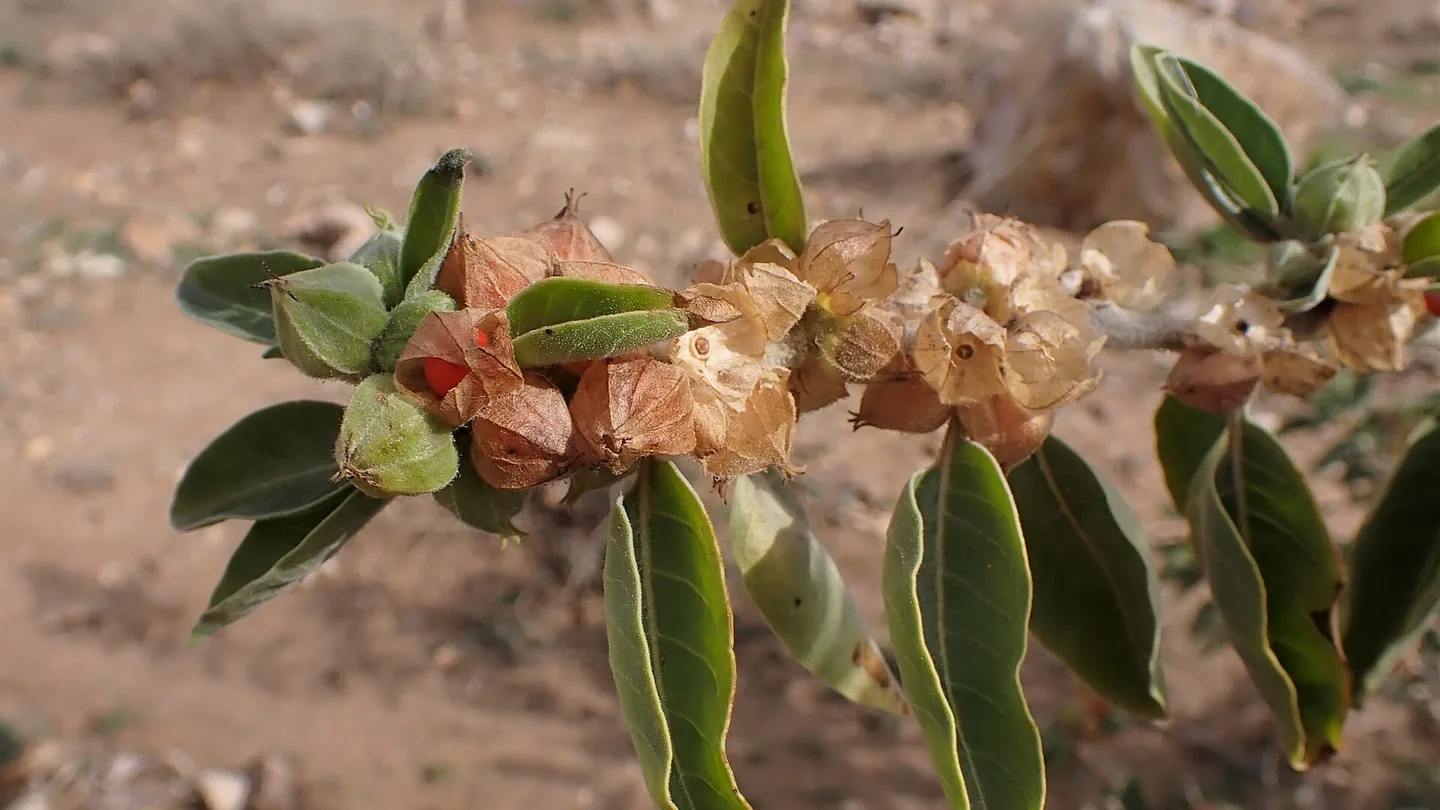
Ashwagandha for work stress and sleep: what trials show, and the safety fine print
Ashwagandha, an Indian Ayurvedic herb, studied for perceived stress and sleep. An honest review of the trials, liver and thyroid cautions, and habits that support calmer days.
Read the guide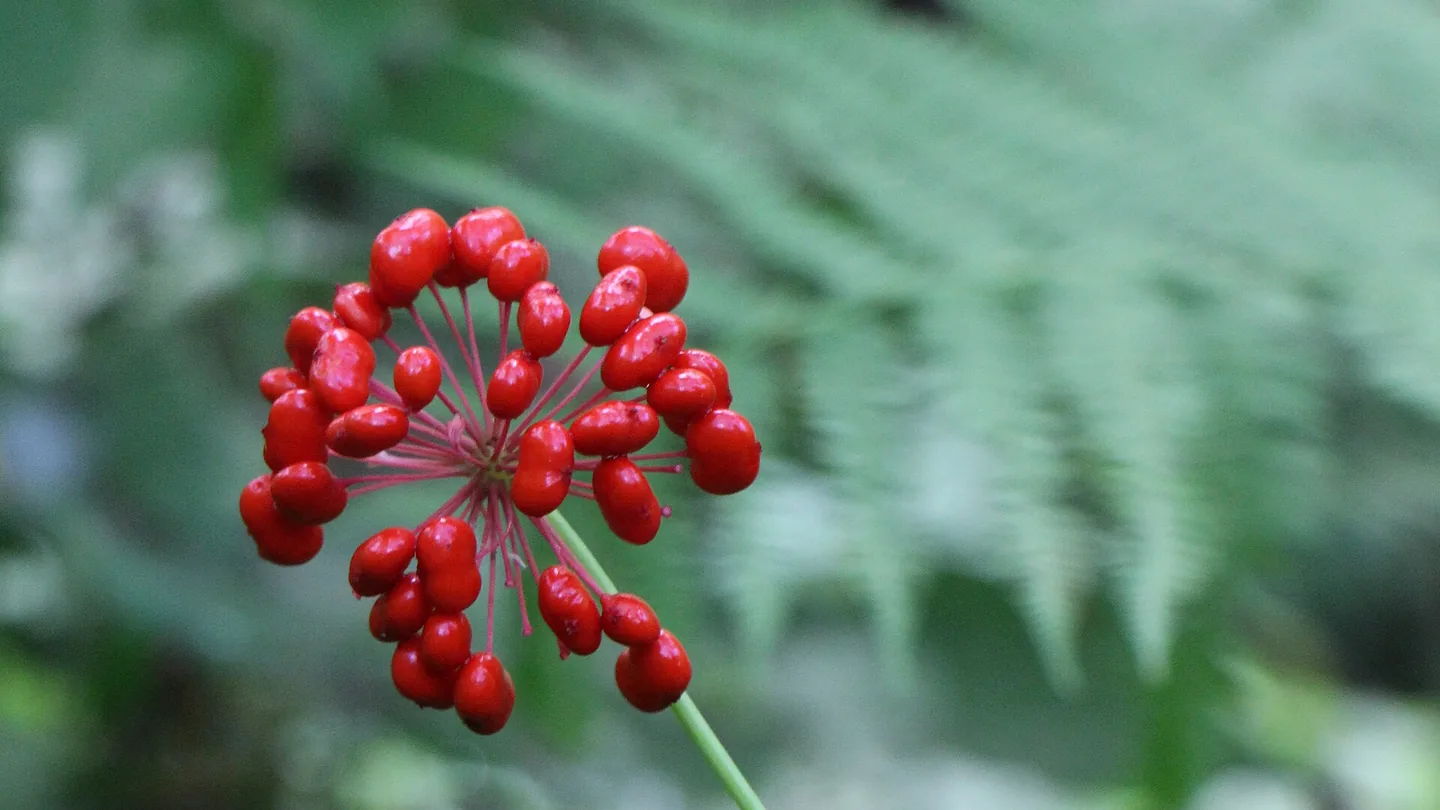
Asian ginseng and the demanding workday: an East-meets-West look
Asian ginseng (Panax ginseng) in Korean and Chinese tradition, what modern trials show about calm and focus, warfarin interactions, and daily habits that matter more.
Read the guide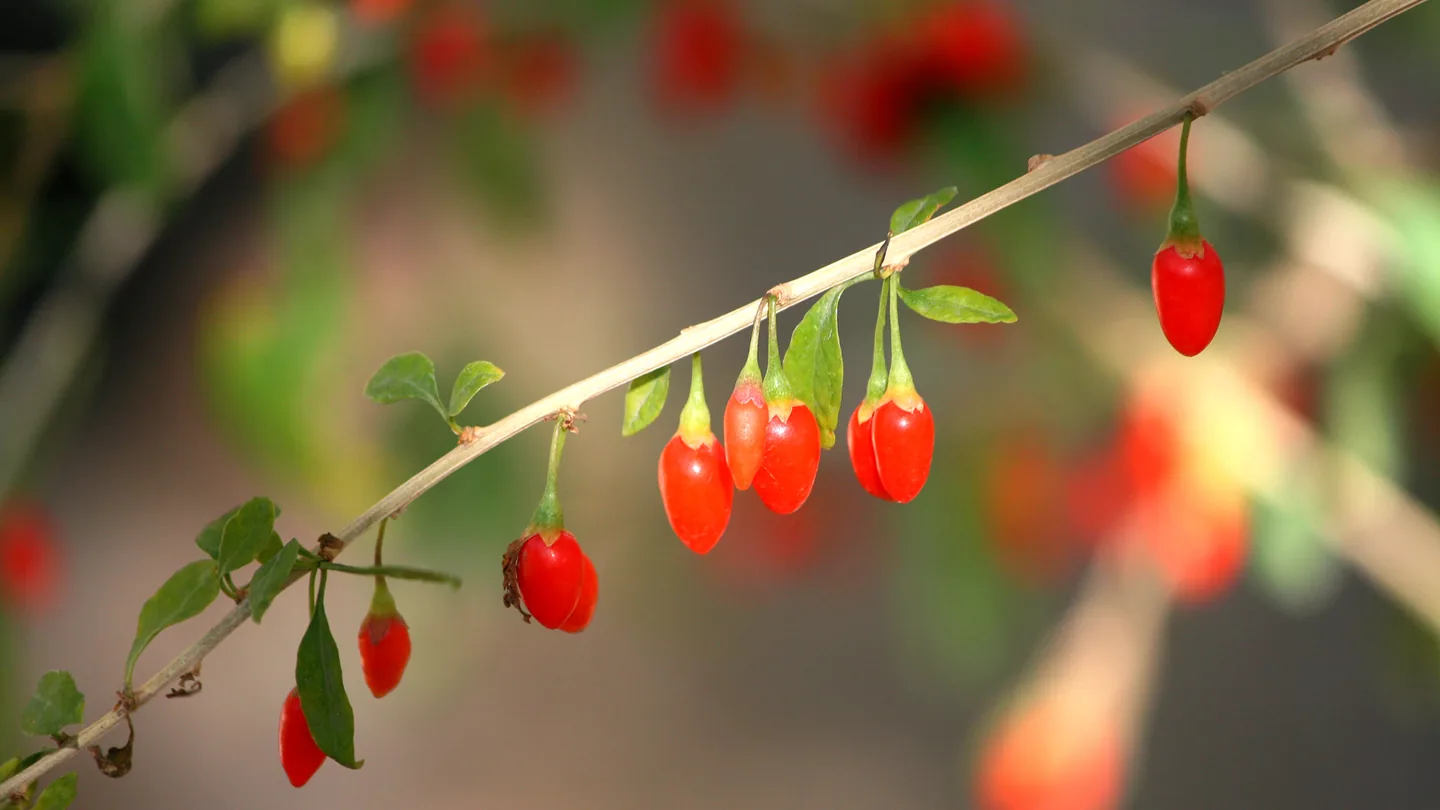
Goji berries for the eyes? A careful look at gou qi zi in healthy aging
Goji (gou qi zi) in Chinese kitchens and tradition, what a 90-day trial in older adults measured, the warfarin interaction you should know, and everyday eye-care habits.
Read the guide