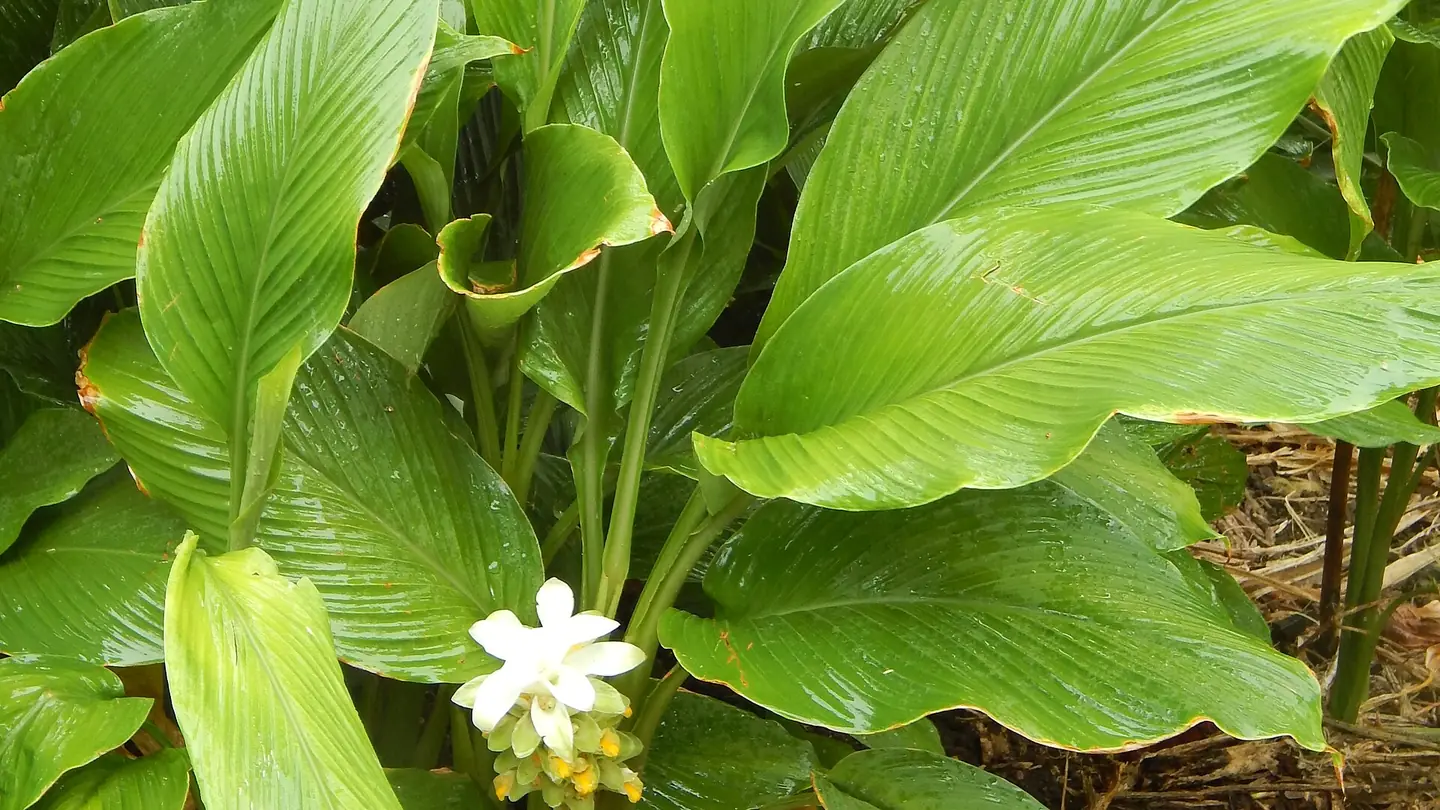
A spice that crosses every border
Turmeric is perhaps the most familiar botanical on this site. It colours rendang, nasi kunyit and countless curries across Malaysia. In India's Ayurvedic tradition it has been used for centuries in food and in topical pastes, and in Chinese tradition it is known as jiang huang. Its bright yellow pigment, curcumin, is the compound most studied in modern research.1
So this is a botanical with both South Asian and East Asian roots, and very much a Malaysian kitchen staple. The question for our futsal player is narrower: does curcumin help with that familiar post-match muscle soreness?
Understanding "the day after" soreness
The ache that peaks a day or two after unfamiliar or intense exercise is called delayed-onset muscle soreness, often shortened to DOMS. It is a normal part of training, especially when you try new movements, play more often or push harder than usual. It usually settles on its own within a few days. It is different from sharp pain, swelling or pain that does not ease, which deserve a professional assessment.
What the research says
A 2021 systematic review and meta-analysis in Phytotherapy Research pooled randomized controlled trials of curcumin supplements in adults after exercise designed to cause muscle damage. Curcumin was associated with lower creatine kinase, a blood marker of muscle damage, and lower muscle soreness scores than placebo.2
That is a genuinely positive finding, with honest limits. The trials were mostly small and short, used many different doses and products, and measured soreness on rating scales. The effect on soreness was modest. Research on whether curcumin improves performance in the next session is less clear.
NCCIH's summary of turmeric is more cautious overall, noting that many claims for turmeric are not supported by strong evidence.1
Strength of evidencemoderate for a modest reduction in self-rated muscle soreness after hard exercise; low for performance benefits.
Turmeric milk versus curcumin capsules
Turmeric powder contains only a small percentage of curcumin, and curcumin on its own is poorly absorbed. That is why many supplements add black pepper extract (piperine) or use special "bioavailable" formulations. The trials in the meta-analysis used supplements, not a mug of turmeric milk. A warm golden drink is a lovely bedtime ritual, but it is unlikely to deliver a trial-sized dose.
The recovery basics that matter most
- Sleep. It remains the most powerful recovery tool. An expert consensus in the British Journal of Sports Medicine recommends that athletes prioritise sleep and suggests an individual approach rather than a single rule.3
- Protein across the day. Spreading protein over meals supports muscle repair after training.4
- Gradual load. Soreness is often a sign that the jump in intensity was large. Build up match time and training volume gradually.
- Easy movement. A light walk or gentle cycling the next day often feels better than complete rest.
- Hydration. Evening futsal in tropical humidity means significant sweat loss.
East meets West in practice
The bridge here is easy: keep turmeric in your cooking for flavour and tradition, consider a curcumin supplement only after checking your medicines, and build the real recovery plan on sleep, protein and sensible training load.
Safety and interactions
- Liver injury with high-absorption products. NCCIH notes that liver damage has been reported in some people who took curcumin products formulated for higher bioavailability. Stop and seek care if you notice yellowing skin or eyes, dark urine, nausea or unusual tiredness.1
- Short-term safety. Conventional turmeric or curcumin in recommended amounts appears likely safe for up to two or three months. Side effects can include nausea, reflux and diarrhoea.1
- Blood thinners. Turmeric is commonly listed among herbs that may interact with warfarin and other anticoagulants; reviews of Chinese herbs and warfarin advise caution.5 Ask before combining.
- Pregnancy. Turmeric supplements during pregnancy may be unsafe.1
- Gallbladder and stomach. People with gallbladder problems or reflux should ask before using concentrated products.
Talk to your doctor or pharmacist before taking curcumin supplements, particularly if you take blood thinners, diabetes medicine, or have a liver or gallbladder condition.
A simple week for a twice-a-week player
- Match night: a recovery meal with protein and carbohydrate within a couple of hours, plenty of fluids, and a cool shower.
- Next day: a 20-minute easy walk and gentle mobility work for hips, calves and thighs.
- Mid-week: one short strength session with squats, lunges and calf raises, which helps the legs cope with sprints and turns.
- Every night: a consistent bedtime, with screens down in the last half hour.
- Before the next match: a proper warm-up of ten minutes, building from jogging to short accelerations.
Muscles adapt to a regular training load, so the day-after soreness often becomes milder once matches and training become consistent rather than occasional.
How to read a curcumin label
- Check the curcumin or curcuminoid amount per capsule, not just "turmeric root".
- Note any absorption enhancers (piperine, phytosome, micellar forms) and remember the liver caution above.
- Look for third-party testing, especially if you compete in sport.
- Skip products promising to erase pain or replace medical care.
The bottom line
Curcumin is one of the better-studied botanicals for post-exercise muscle soreness, with a meta-analysis showing a modest effect in small trials. For our futsal player, the biggest wins are still sleep, protein, gradual load and an easy walk the next day. The turmeric milk can stay as a warm family ritual, and capsules are an option to discuss with a pharmacist, especially if he takes any regular medicine.
East meets West · the research
Research from Asia
Studies published in Japanese, Korean, Malaysian, Chinese and TCM journals, read with the same care as our other sources. Some were published in Japanese, Korean, Chinese or Malay; we show the original title and an English translation, and summarise them in plain English. We note small samples, animal studies and company-run trials. These summaries describe what was studied; they are not promises of results for you.
- Japan
Tanabe Y, Chino K, Sagayama H, et al. (2019). Effective Timing of Curcumin Ingestion to Attenuate Eccentric Exercise-Induced Muscle Soreness in Men. Journal of Nutritional Science and Vitaminology (Japan).
In plain English: A randomized, single-blind trial in 24 healthy young Japanese men; curcumin (180 mg a day) taken in the days before hard eccentric arm exercise reduced some muscle-damage markers and soreness compared with placebo. Small, lab-based study.
- Korea
Choi Y, Ra SG, Nishijima T, et al. (2023). Effect of curcumin supplementation on inflammatory status and muscle damage in competitive female soccer players: a placebo-controlled, singleblind, nonrandomized, crossover pilot study. Physical Activity and Nutrition (Korea).
In plain English: A non-randomized, single-blind crossover pilot study in six competitive female soccer players in Japan; curcumin during two weeks of preseason training lowered the inflammation marker IL-6 compared with placebo, but did not change muscle-damage markers. Very small pilot.
- Korea
Li X, Kim DY, Sung Y, et al. (2025). Effects of 8-week Theracurmin Super (TS-P1; Curcumin) supplementation on exercise-induced oxidative stress: A randomised, double-blind, placebo-controlled parallel clinical trial. Integrative Medicine Research (Korea).
In plain English: An 8-week randomized, double-blind trial in 71 healthy adults at Seoul National University testing a high-absorption curcumin product on exercise-induced oxidative stress markers, with safety monitoring. One product, biomarker outcomes.
- Malaysia / SE Asia
Abidin NZ, Ooi CH, Nosaka K, et al. (2024). Effects of Resveratrol Supplementation on Delayed Onset Muscle Soreness and Muscle Recovery: A Systematic Review. Malaysian Journal of Medical Sciences (Malaysia).
In plain English: A systematic review from Universiti Sains Malaysia of 10 studies (238 people) on resveratrol after exercise; it may reduce some muscle-damage markers and soreness to varying degrees, but results varied with the type of exercise, dose and timing, and longer-term studies are lacking.
- Japan
小栗和雄, 館俊樹, 薮本保, 松岡敏男 (2015). 遅発性筋痛および筋機能低下に対するクルクミン投与の効果 [Effects of curcumin on delayed-onset muscle soreness and loss of muscle function]. 教育医学 (Journal of Education and Health Science) 60(4):206–215. Japan.
Japanese Published in Japanese with an English abstract; summary by Open Leaf. Author names are shown as published.
In plain English: Ten healthy men took 150 mg of curcumin or a placebo 30 minutes before a hard elbow-curl workout. After a three-month break, they swapped (a randomized, double-blind design). With curcumin, they reported less soreness and kept more strength and range of motion over the next four days. With ten people and one dose, this is an early result.
Each record was checked against PubMed, J-STAGE, KoreaScience or the DOI registry on 14–15 November 2026. Translations are Open Leaf’s own; please check the original for exact wording. Not medical advice.
References
Every source below was checked against PubMed or the publisher’s page on 14 November 2026. Inclusion is not an endorsement of any product.
- National Center for Complementary and Integrative Health (NIH). Turmeric: Usefulness and Safety. Official page ↗
- Fang W, Nasir Y. The effect of curcumin supplementation on recovery following exercise-induced muscle damage and delayed-onset muscle soreness: A systematic review and meta-analysis of randomized controlled trials. Phytother Res. 2021. PubMed ↗ · DOI 10.1002/ptr.6912
- Walsh NP, Halson SL, Sargent C, et al. Sleep and the athlete: narrative review and 2021 expert consensus recommendations. Br J Sports Med. 2020. PubMed ↗ · DOI 10.1136/bjsports-2020-102025
- Jäger R, Kerksick CM, Campbell BI, et al. International Society of Sports Nutrition Position Stand: protein and exercise. J Int Soc Sports Nutr. 2017. PubMed ↗ · DOI 10.1186/s12970-017-0177-8
- Chua YT, Ang XL, Zhong XM, et al. Interaction between warfarin and Chinese herbal medicines. Singapore Med J. 2015. PubMed ↗ · DOI 10.11622/smedj.2015004
Keep reading
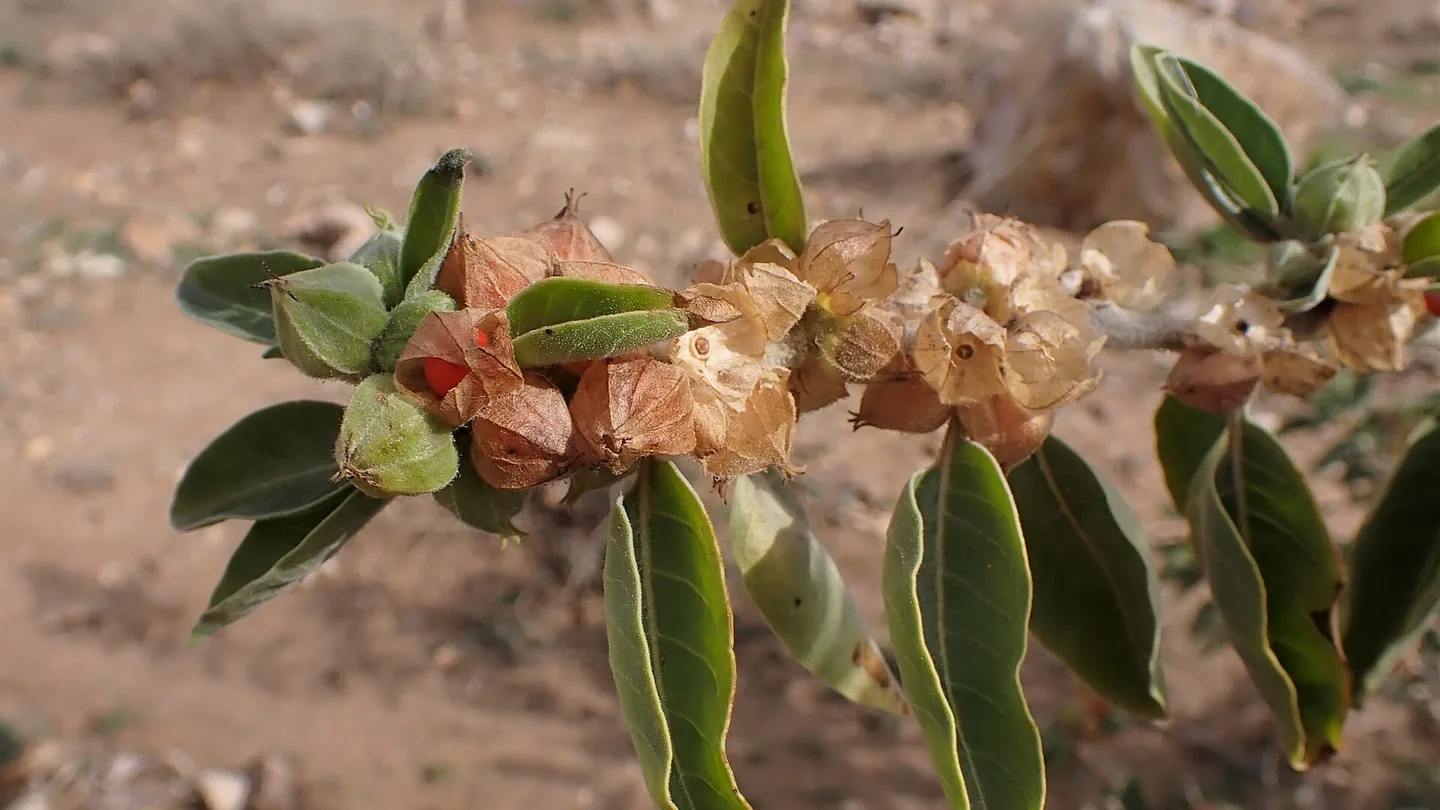
Ashwagandha for work stress and sleep: what trials show, and the safety fine print
Ashwagandha, an Indian Ayurvedic herb, studied for perceived stress and sleep. An honest review of the trials, liver and thyroid cautions, and habits that support calmer days.
Read the guide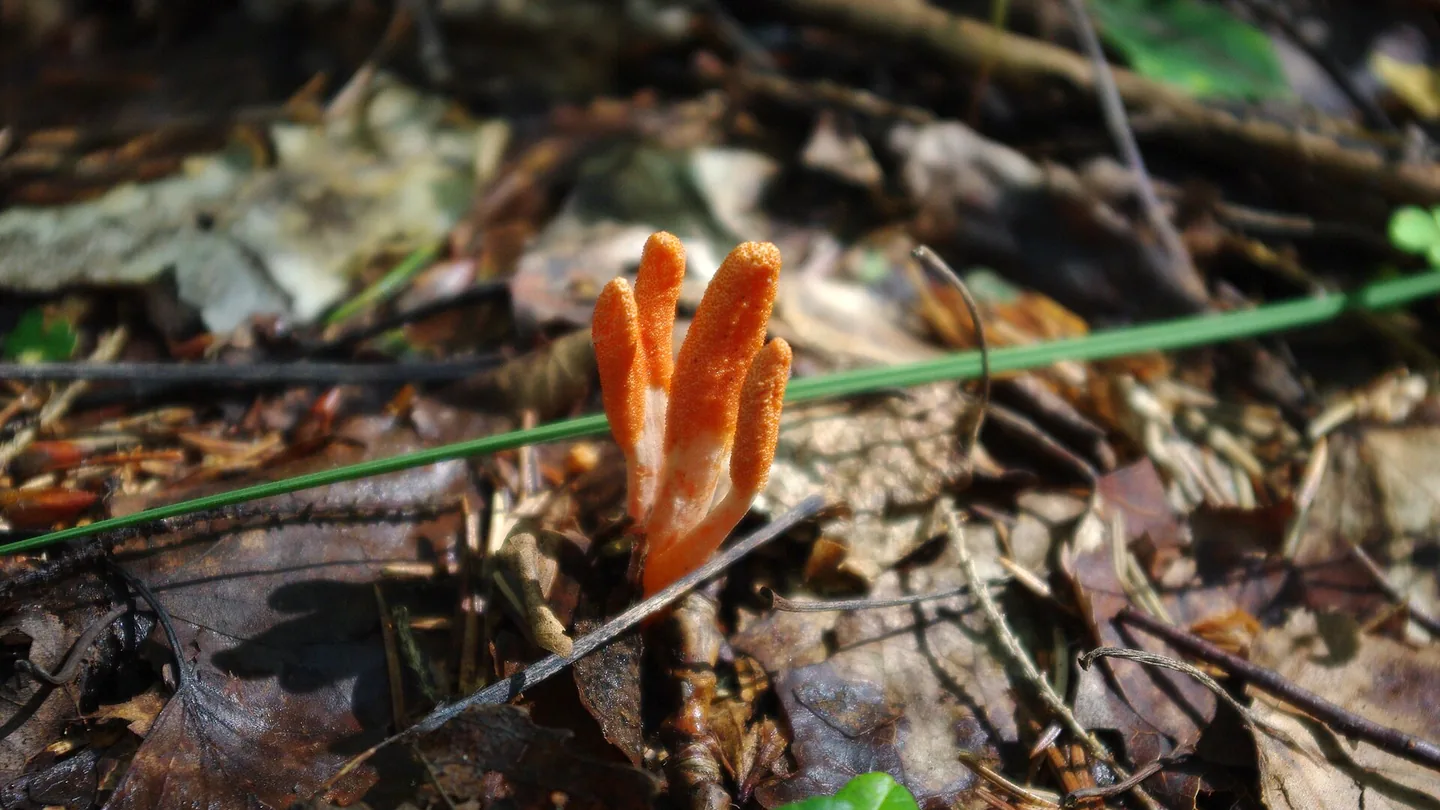
Cordyceps and endurance training: Himalayan legend, mixed lab results
Cordyceps (dong chong xia cao) in Chinese and Tibetan tradition, what exercise trials on VO2max and endurance actually found, bleeding and medicine cautions, and better training basics.
Read the guide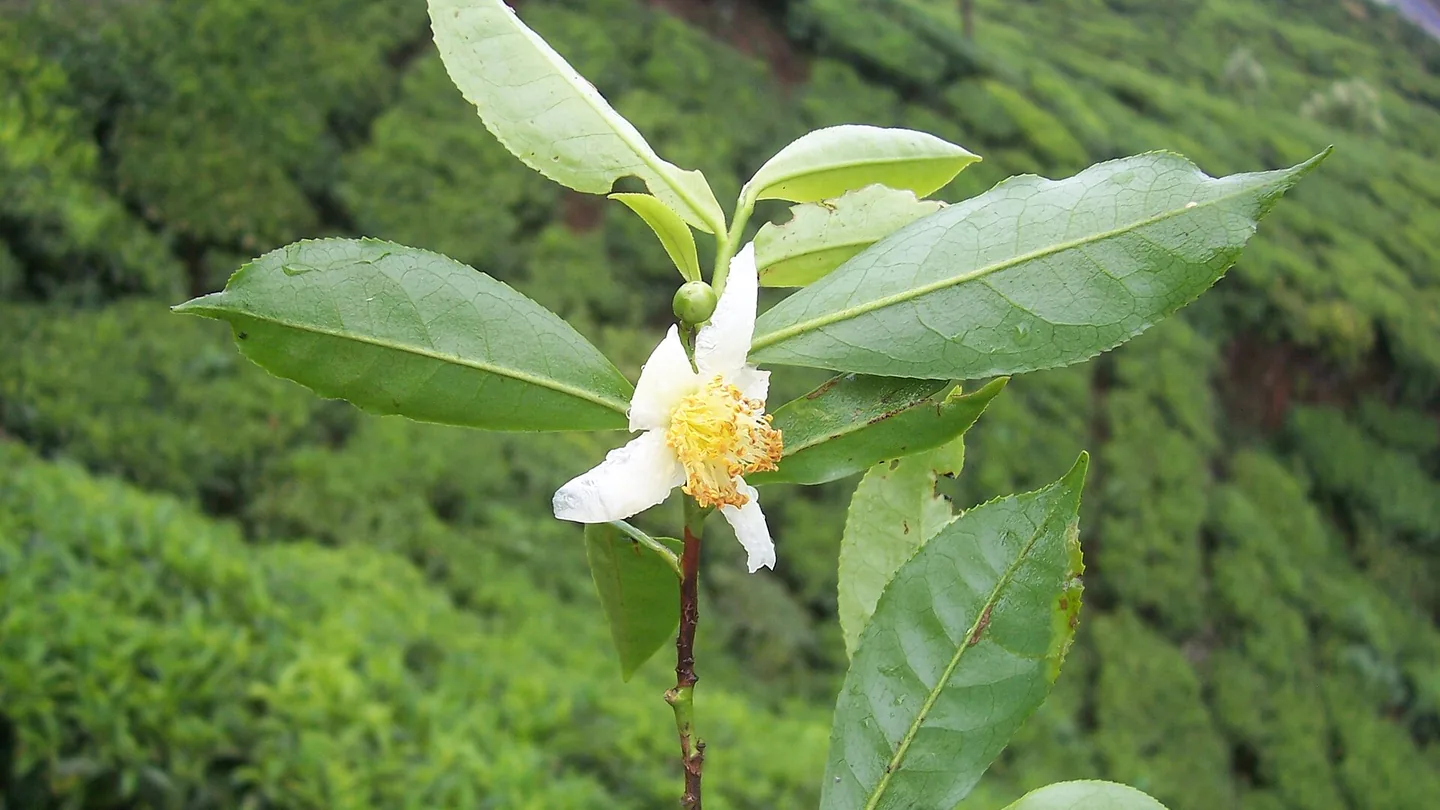
Green tea and matcha before training: focus, caffeine and the fat-burner myth
Green tea and matcha in Chinese and Japanese tea culture, the caffeine plus L-theanine research on focus, why a Cochrane review found no meaningful weight effect, and EGCG liver safety.
Read the guide