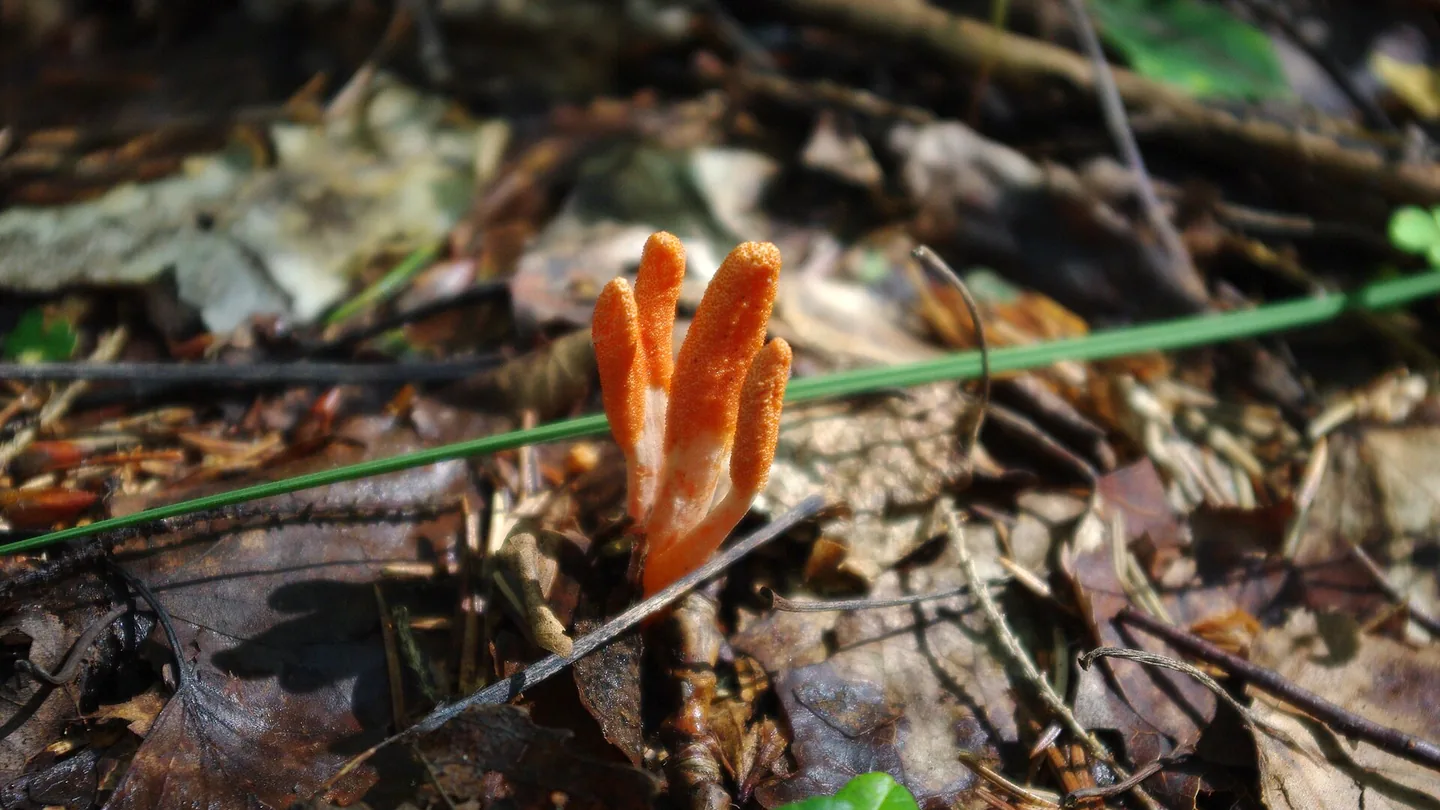
A fungus with an extraordinary story
Cordyceps has one of the strangest origin stories in the botanical world. The wild form, now classified as Ophiocordyceps sinensis, grows on caterpillar larvae high on the Tibetan plateau and in the Himalayas. Its Chinese name, dong chong xia cao, means "winter worm, summer grass". In Tibetan it is yarsa gumba. Herders have gathered it for centuries, and in traditional Chinese wellness it is described as a tonic for the lungs and for vigour.1
Wild cordyceps is now so prized that it can cost more than its weight in silver. Almost every cordyceps supplement you will see in a shop is instead grown in the lab, usually as Cordyceps militaris or as a fermented strain called Cs-4. That matters, because the research has used different species and preparations, and the results do not always transfer.
What the research says
The human exercise trials are small and point in different directions.
- No effect in trained cyclists. In a placebo-controlled study, five weeks of the Cs-4 preparation had no effect on aerobic capacity (VO2peak) or time-trial performance in endurance-trained male cyclists.2
- Small changes in older adults. In a 12-week pilot trial of healthy older adults, the Cs-4 group showed improvements in metabolic and ventilatory thresholds, measures of how hard someone can work before breathing and lactate climb sharply, but no change in VO2max.3
- A mushroom blend and high-intensity work. A trial of a blend containing Cordyceps militaris found no meaningful effect after one week, but after three weeks reported improvements in VO2max and time to exhaustion in high-intensity tests. The blend contained more than one mushroom, and the sample was small.4
Strength of evidencelow and mixed. There is no consistent evidence that cordyceps improves endurance performance in trained athletes. Some small signals in untrained or older adults.
The West side: what reliably improves endurance
For our half-marathon runner, the evidence-backed list is long and well established, and it costs very little.
- Progressive training. Increase weekly distance gradually, with one easier week every few weeks.
- Easy runs, mostly. Many endurance coaches keep most runs at a conversational pace and save hard efforts for one or two sessions a week.
- Sleep. Athletes who extended their sleep in a Stanford study improved sprint times, accuracy and mood.5 Our sleep and recovery guide covers this in depth.
- Fuel and fluids. In Malaysian heat and humidity, drinking enough and eating carbohydrate before long runs matters more than any powder.
- Strength work. Two short strength sessions a week support running form and resilience.
East meets West in practice
If she enjoys the ritual of a cordyceps coffee, that can sit inside a well-built plan, as a small cultural extra rather than the engine of her progress. Her training log, sleep and nutrition remain the real performance tools.
Safety and interactions
- Bleeding risk. Laboratory studies suggest cordyceps inhibits platelet aggregation and may add to the effects of anticoagulant and antiplatelet medicines; there is a case report of excessive bleeding after a dental procedure linked to cordyceps.1 Stop well before surgery and tell your dentist.
- Blood sugar medicines. Lab studies suggest cordyceps may add to the effect of blood-sugar-lowering medicines; clinical relevance is unclear.1
- Immune-related medicines. Mushroom products are often marketed as "immune" supplements. If you take immunosuppressant medicine, for example after an organ transplant, ask your specialist before using any of them.
- Quality. Wild cordyceps is expensive and sometimes adulterated. Lab-grown products should name the species and the part used (fruiting body or mycelium).
- Anti-doping. Competitive athletes should choose batch-tested products from third-party sport certification programs, since any supplement can be contaminated.
Talk to your doctor or pharmacist before trying cordyceps if you take blood thinners, blood sugar medicine, immunosuppressants or any regular prescription.
Questions to ask before buying
- What exactly do I hope will change, and how would I measure it? A training log with your pace and how hard runs feel is more honest than a feeling.
- Have I already covered sleep, fuel, hydration and a gradual plan? If not, those come first.
- Do I take any medicine, especially blood thinners or blood sugar medicine?
- Do I compete under anti-doping rules?
- Is the price per month worth more to me than, say, a session with a running coach?
If you decide to try it, change one thing at a time. Adding cordyceps the same month you change your training plan makes it impossible to know what helped.
How to read a cordyceps label
- Species: Cordyceps militaris, Cs-4 (fermented Cordyceps sinensis mycelium) or wild Ophiocordyceps sinensis.
- Part used: fruiting body or mycelium on grain. Mycelium on grain may contain a lot of starch.
- Stated compounds: some labels list cordycepin or polysaccharide content. Look for test results from the manufacturer.
- Claims to avoid: "doubles stamina", "opens the lungs", or anything promising faster race times.
The bottom line
Cordyceps carries a remarkable Himalayan and Chinese heritage, and a few small trials hint at modest effects in untrained or older adults. In trained endurance athletes, the evidence does not show a benefit. For our runner, new shoes, a sensible plan and more sleep are the better investment; cordyceps can remain a curiosity, after a check with her doctor if she takes regular medicines.
East meets West · the research
Research from Asia
Studies published in Japanese, Korean, Malaysian, Chinese and TCM journals, read with the same care as our other sources. Some were published in Japanese, Korean, Chinese or Malay; we show the original title and an English translation, and summarise them in plain English. We note small samples, animal studies and company-run trials. These summaries describe what was studied; they are not promises of results for you.
- China · TCM
Lo HC, Hsieh C, Lin FY, et al. (2013). A Systematic Review of the Mysterious Caterpillar Fungus Ophiocordyceps sinensis in Dong-ChongXiaCao ( Dōng Chóng Xià Cǎo) and Related Bioactive Ingredients. Journal of Traditional and Complementary Medicine (Taiwan).
In plain English: A Taiwanese review of the caterpillar fungus dong chong xia cao (Ophiocordyceps sinensis): its Tibetan and Chinese heritage, very high price, naming confusion with cultivated Cordyceps species and the many lab-reported activities. Most evidence it covers is laboratory or animal work, not human trials.
- China · TCM
Chu CM, Chi CW, Huang CH, et al. (2022). Enhancement of Swimming Endurance by Herbal Supplement M3P. Chinese Journal of Integrative Medicine (China).
In plain English: A mouse study from Taiwan testing a traditional-style blend (deer antler, cordyceps, rhodiola and ginseng); the highest dose lengthened swimming time to exhaustion in mice. Animal results like this cannot be applied to people.
- Korea
Lee NH, Jung HC, Lee S. (2016). Red Ginseng as an Ergogenic Aid: A Systematic Review of Clinical Trials. Journal of Exercise Nutrition & Biochemistry (Korea).
In plain English: A systematic review of 14 trials (searching English and Korean databases) on red ginseng and exercise; most found no improvement in aerobic or sprint performance, and results for recovery markers were mixed.
- Korea
Paik IY, Han DS, Park TS, Kwak YS, Suh SH, Jin HE, Kim YI, Woo JH (2006). 목질진흙(상황)버섯과 동충하초 투여가 운동 시 혈중 피로요인 변화와 항산화체계에 미치는 영향 [Effects of sanghwang mushroom (Phellinus linteus) and Cordyceps militaris on blood fatigue markers and the antioxidant system during exercise]. 생명과학회지 (Journal of Life Science) 16(7):1090–1096. South Korea.
Korean Published in Korean; summary translated by Open Leaf from the Korean abstract.
In plain English: Fifteen male university students drank 100 ml a day of a sanghwang-mushroom drink, a Cordyceps militaris drink or a placebo for six weeks, with five students in each group. Exercise time did not differ between the groups. The mushroom groups showed somewhat lower fatigue-related blood markers and better antioxidant readings. With five people per group, this is a very early signal, not proof.
Each record was checked against PubMed, J-STAGE, KoreaScience or the DOI registry on 14–15 November 2026. Translations are Open Leaf’s own; please check the original for exact wording. Not medical advice.
References
Every source below was checked against PubMed or the publisher’s page on 14 November 2026. Inclusion is not an endorsement of any product.
- Memorial Sloan Kettering Cancer Center, About Herbs. Cordyceps. Official page ↗
- Parcell AC, Smith JM, Schulthies SS, et al. Cordyceps Sinensis (CordyMax Cs-4) supplementation does not improve endurance exercise performance. Int J Sport Nutr Exerc Metab. 2004. PubMed ↗ · DOI 10.1123/ijsnem.14.2.236
- Chen S, Li Z, Krochmal R, et al. Effect of Cs-4 (Cordyceps sinensis) on exercise performance in healthy older subjects: a double-blind, placebo-controlled trial. J Altern Complement Med. 2010. PubMed ↗ · DOI 10.1089/acm.2009.0226
- Hirsch KR, Smith-Ryan AE, Roelofs EJ, et al. Cordyceps militaris Improves Tolerance to High-Intensity Exercise After Acute and Chronic Supplementation. J Diet Suppl. 2017. PubMed ↗ · DOI 10.1080/19390211.2016.1203386
- Mah CD, Mah KE, Kezirian EJ, et al. The effects of sleep extension on the athletic performance of collegiate basketball players. Sleep. 2011. PubMed ↗ · DOI 10.5665/SLEEP.1132
Keep reading
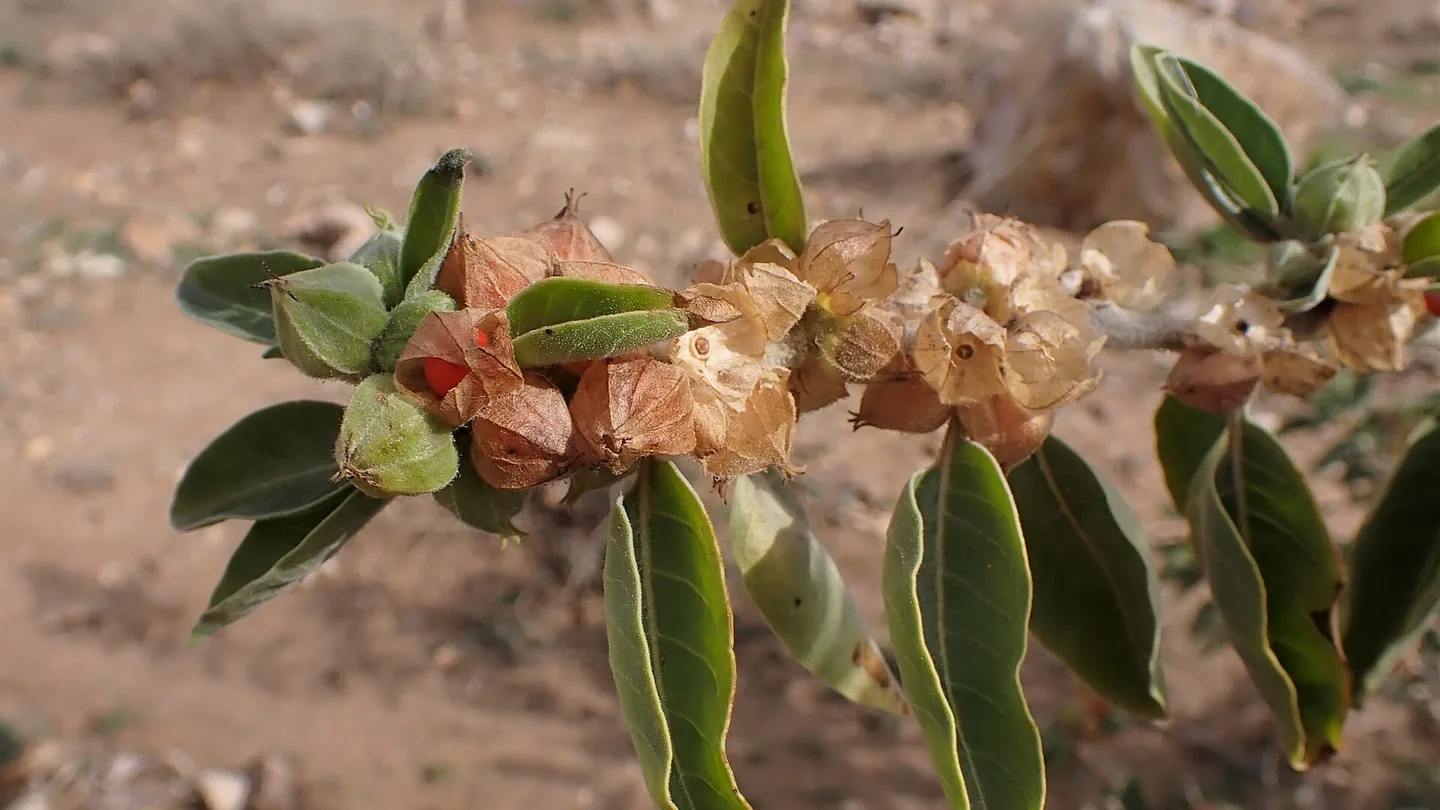
Ashwagandha for work stress and sleep: what trials show, and the safety fine print
Ashwagandha, an Indian Ayurvedic herb, studied for perceived stress and sleep. An honest review of the trials, liver and thyroid cautions, and habits that support calmer days.
Read the guide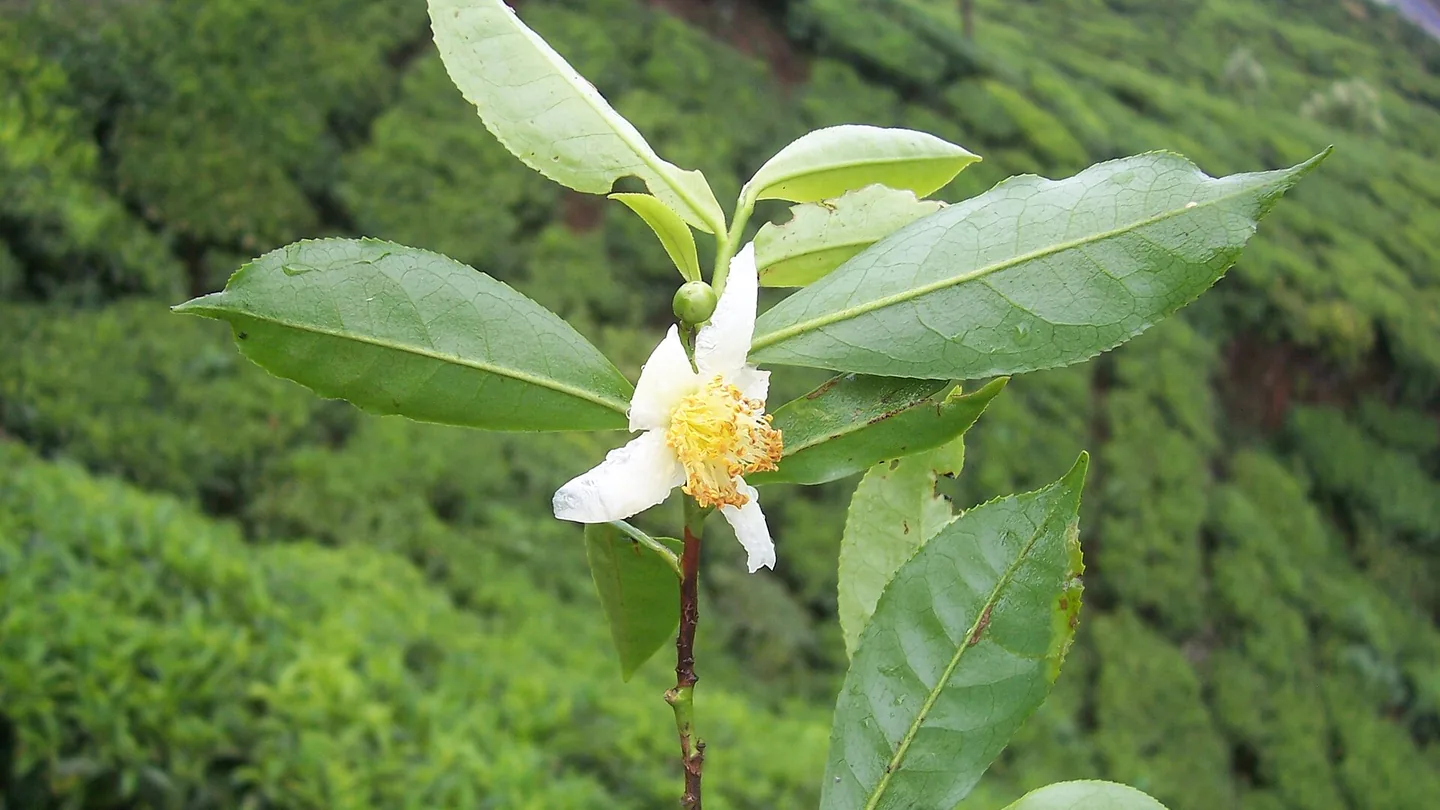
Green tea and matcha before training: focus, caffeine and the fat-burner myth
Green tea and matcha in Chinese and Japanese tea culture, the caffeine plus L-theanine research on focus, why a Cochrane review found no meaningful weight effect, and EGCG liver safety.
Read the guide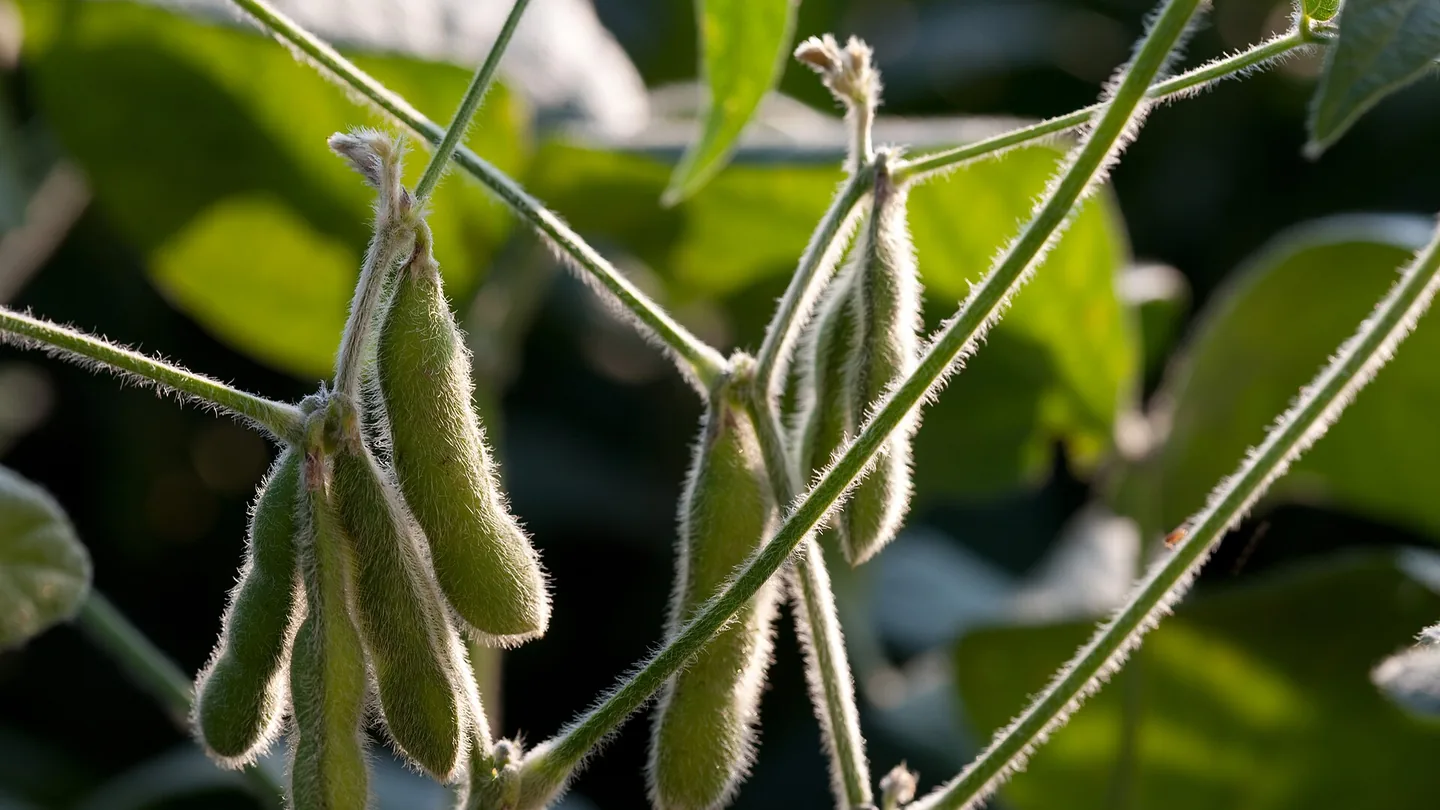
Protein, creatine and tofu: the gym basics that actually have evidence
How much protein gym-goers need, why soy and tofu work as well as whey in trials, what creatine really does, and how to build an East-meets-West plate for strength training.
Read the guide