Why we start with sleep
Our earlier guide on after-training tiredness made a simple point: most of the recovery work happens when you are not training. This guide goes deeper on the most powerful part of that, which is sleep. There is no product page at the end of this one. Sleep is free, and it has stronger research behind it than anything sold in the recovery aisle.
What the research says
- Sleep loss affects performance. A review in Sports Medicine summarised studies showing that sleep loss can impair aspects of exercise performance, as well as mood and cognitive responses to exercise.1
- More sleep, better play. In a well-known Stanford study, collegiate basketball players aimed for ten hours in bed each night for five to seven weeks. Their sprint times got faster, free-throw and three-point accuracy each improved by about 9 percent, reaction times improved and they reported better mood and well-being.2 It was a small study without a control group, but the direction is striking.
- Expert consensus. A 2021 expert consensus in the British Journal of Sports Medicine identified training timing, travel, competition stress and non-sport factors as common sleep disruptors for athletes. It recommended screening and education, and an individual approach rather than a single rule such as "seven to nine hours for everyone".3
Strength of evidencestrong that sleep loss impairs performance; moderate and growing that extending sleep helps athletes who are short on it.
How much is enough?
Most adults need around seven to nine hours, but the consensus statement is clear that athletes vary.3 A practical test: if you need an alarm every day, fall asleep within minutes of lying down and crave naps, you are probably short.
East meets West: the evening wind-down
Many East Asian households have evening customs that fit modern sleep science surprisingly well.
- A warm foot soak. In Chinese households, soaking the feet in warm water before bed is a common habit. A meta-analysis found that a warm shower or bath one to two hours before bed was linked with falling asleep faster and better self-rated sleep, probably because warming the hands and feet helps the body shed heat as core temperature drops.4 A foot soak is a gentler cousin of that idea. Keep the water warm, not hot, and skip it if you have reduced sensation in your feet.
- A caffeine-free tea. Swap evening green tea or coffee for a caffeine-free option such as barley tea (popular in Japan and Korea as mugicha or boricha) or chrysanthemum tea.
- Quiet, low light. The Japanese idea of ma, a pause or space between things, is a good description of the last half hour before bed.
And from Western sports science:
- Fixed wake-up time, even on weekends, is the anchor of a stable body clock.
- Morning daylight helps set that clock.
- Phone out of the bedroom, or at least on the other side of the room.
- Cool, dark, quiet room. In Malaysia, a fan or air conditioning set to a comfortable temperature, plus blackout curtains.
- Caffeine curfew. In a controlled study, a moderate dose of caffeine taken even six hours before bed still disrupted sleep, so stop caffeine at least six hours before bedtime.5
Training around sleep
For early-morning athletes like our badminton player, the maths is unforgiving. A 6 a.m. session means an alarm around 5 a.m., which means lights out by 10 p.m. for seven hours. Talking with the coach about session timing, building in a short early-afternoon nap of 20 to 30 minutes and protecting the night before key sessions are all reasonable steps. The expert consensus also notes that research on napping is still developing.3
What about sleep supplements?
You will see magnesium, melatonin, ashwagandha and herbal blends marketed to athletes. Some have a little evidence for specific situations; our ashwagandha guide reviews one example in detail. None replaces a consistent sleep window, and some interact with medicines. If sleep is poor despite good habits, see a doctor; snoring, gasping at night or daytime sleepiness can signal a sleep disorder that needs proper assessment.
A one-week sleep reset for training weeks
- Day 1: Pick a fixed wake-up time you can keep for seven days.
- Day 2: Set a phone-down time 45 minutes before bed.
- Day 3: Move your last caffeine to at least six hours before bed.
- Day 4: Add a warm shower or foot soak and a caffeine-free tea.
- Day 5: Darken the room and set the temperature.
- Day 6: Add 10 minutes of slow breathing in bed.
- Day 7: Review: how did training feel? Adjust bedtime by 15 minutes if needed.
Safety notes
Sleep habits are low-risk, but a few points matter. Drowsy driving after early sessions is dangerous; take a nap or get a lift. Persistent insomnia, loud snoring, breathing pauses or extreme daytime sleepiness are reasons to see a doctor. Hot foot soaks are not suitable for people with diabetes-related nerve damage or poor circulation without medical advice.
Talk to your doctor before using any sleep supplement, especially if you take other medicines.
The bottom line
Sleep is the recovery tool with the strongest evidence and the lowest price. For our badminton player, the most effective recovery upgrade is probably not a powder but a fixed wake-up time, a phone curfew and an evening wind-down that borrows from East Asian tradition. Train hard, then go to bed.
East meets West · the research
Research from Asia
Studies published in Japanese, Korean, Malaysian, Chinese and TCM journals, read with the same care as our other sources. Some were published in Japanese, Korean, Chinese or Malay; we show the original title and an English translation, and summarise them in plain English. We note small samples, animal studies and company-run trials. These summaries describe what was studied; they are not promises of results for you.
- Japan
Monma T, Matsui T, Inoue K, et al. (2023). Prevalence and risk factors of poor subjective sleep quality in elite judo athletes. Sleep and Biological Rhythms (Japan).
In plain English: A questionnaire study of 86 elite Japanese national-team judo athletes; about 4 in 10 reported poor sleep quality, linked with factors such as psychological distress and lifestyle habits. Shows how common poor sleep is even at the top level.
- Japan
Tan C, Lu J, Wang J, et al. (2023). Chronotype characteristics of professional athletes in China: a comprehensive descriptive study. Journal of Physiological Anthropology (Japan).
In plain English: A survey of 1,069 professional athletes in Shanghai; a later (evening) body-clock preference was linked with poorer sleep quality, daily caffeine and screen use before bed, and chronotype helped predict self-rated vigor. Descriptive, not an intervention.
- Japan
Okamoto-Mizuno K, Mizuno K. (2012). Effects of thermal environment on sleep and circadian rhythm. Journal of Physiological Anthropology (Japan).
In plain English: A Japanese review of how bedroom temperature affects sleep; in real-life conditions with bedding, heat increases wakefulness and reduces deep and REM sleep, and humid heat adds to the load, which is very relevant to tropical bedrooms. The authors note cold exposure deserves more study.
- Malaysia / SE Asia
Tian V, Ramlee F, Hamzah H, et al. (2025). Exploring Sleep and Physical Activity among Young Adults Across Asia: A Systematic Literature Review. Malaysian Journal of Medical Sciences (Malaysia).
In plain English: A Malaysian systematic review of studies on young adults across Asia; poor sleep quality and short sleep were common, and the authors called for practical steps to improve sleep and promote physical activity.
- Japan
小関誠, レカ ラジュ・ジュネジャ, 白川修一郎 (2004). アクチグラフを用いたL-テアニンの睡眠改善効果の検討 [A study of the sleep-improving effect of L-theanine using actigraphy]. 日本生理人類学会誌 (Japanese Journal of Physiological Anthropology) 9(4):143–150. Japan.
Japanese Published in Japanese; summary translated by Open Leaf from the full Japanese text. Author names are shown as published.
In plain English: Healthy young men took 200 mg of L-theanine (an amino acid found in tea) or a look-alike placebo an hour before bed. After theanine, they rated their mornings as more refreshed and less tired. In 10 students, a wrist activity monitor recorded less time awake during the night: about 13 minutes, versus 20 with the placebo. The study was small, and two authors worked for Taiyo Kagaku, which makes the theanine used.
- Malaysia / SE Asia
Basri A, Ahmad A (2024). Hubungan antara tahap kualiti tidur dengan pencapaian akademik dalam kalangan pelajar sarjana muda pendidikan bimbingan dan kaunseling di Malaysia [The relationship between sleep quality and academic achievement among guidance and counselling education undergraduates in Malaysia]. Jurnal Pendidikan Bitara UPSI 17:72–81. Malaysia.
Malay Published in Malay; summary translated by Open Leaf from the Malay abstract.
In plain English: At four Malaysian universities, 260 guidance and counselling undergraduates completed the Malay version of a standard sleep questionnaire. Their sleep quality was poor overall, although their grades were mostly good. Worse scores for sleep quality and sleep duration were moderately linked with lower grades. This was a one-time survey, so it shows a link, not cause and effect.
Each record was checked against PubMed, J-STAGE, KoreaScience or the DOI registry on 14–15 November 2026. Translations are Open Leaf’s own; please check the original for exact wording. Not medical advice.
References
Every source below was checked against PubMed or the publisher’s page on 14 November 2026. Inclusion is not an endorsement of any product.
- Fullagar HH, Skorski S, Duffield R, et al. Sleep and athletic performance: the effects of sleep loss on exercise performance, and physiological and cognitive responses to exercise. Sports Med. 2015. PubMed ↗ · DOI 10.1007/s40279-014-0260-0
- Mah CD, Mah KE, Kezirian EJ, et al. The effects of sleep extension on the athletic performance of collegiate basketball players. Sleep. 2011. PubMed ↗ · DOI 10.5665/SLEEP.1132
- Walsh NP, Halson SL, Sargent C, et al. Sleep and the athlete: narrative review and 2021 expert consensus recommendations. Br J Sports Med. 2020. PubMed ↗ · DOI 10.1136/bjsports-2020-102025
- Haghayegh S, Khoshnevis S, Smolensky MH, et al. Before-bedtime passive body heating by warm shower or bath to improve sleep: A systematic review and meta-analysis. Sleep Med Rev. 2019. PubMed ↗ · DOI 10.1016/j.smrv.2019.04.008
- Drake C, Roehrs T, Shambroom J, et al. Caffeine effects on sleep taken 0, 3, or 6 hours before going to bed. J Clin Sleep Med. 2013. PubMed ↗ · DOI 10.5664/jcsm.3170
Keep reading
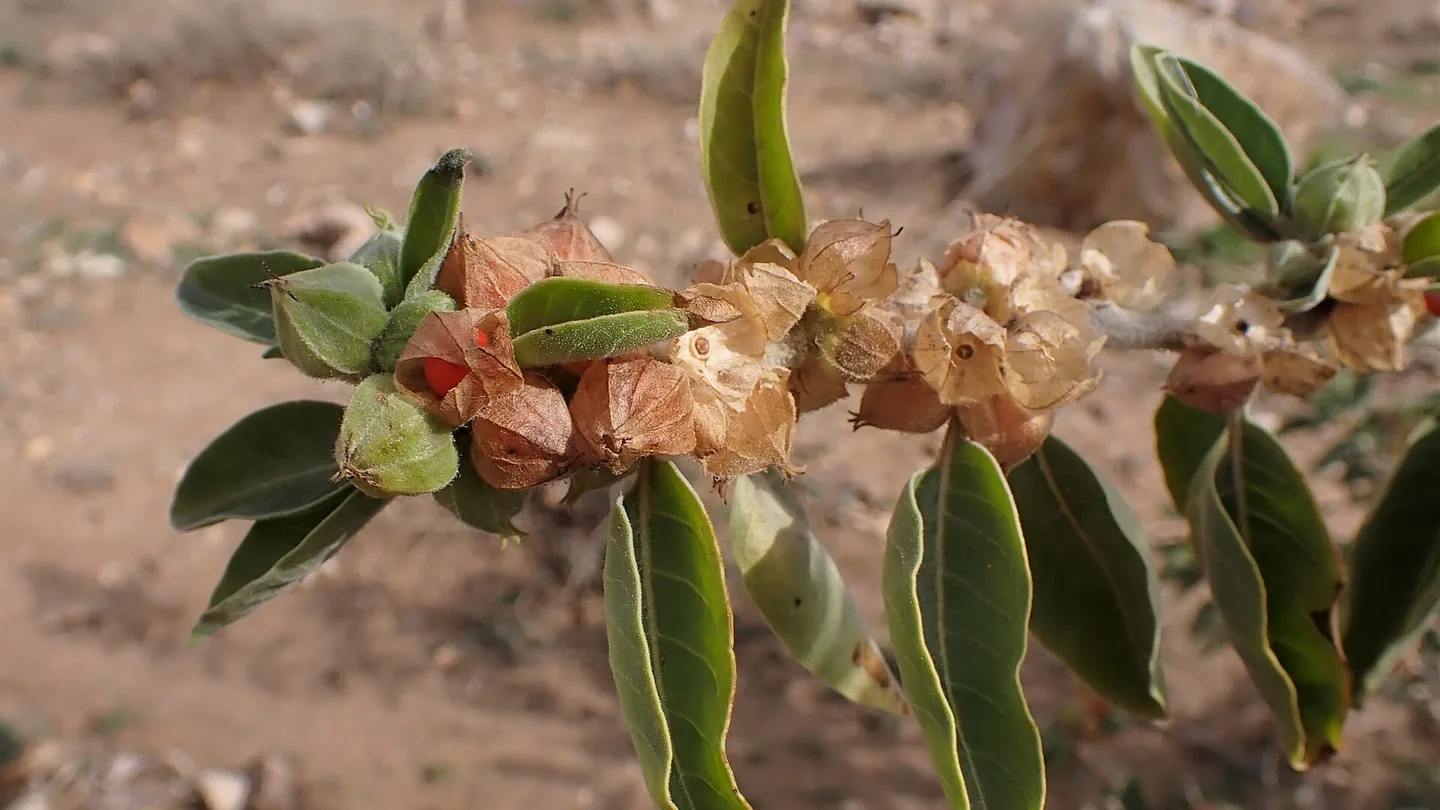
Ashwagandha for work stress and sleep: what trials show, and the safety fine print
Ashwagandha, an Indian Ayurvedic herb, studied for perceived stress and sleep. An honest review of the trials, liver and thyroid cautions, and habits that support calmer days.
Read the guide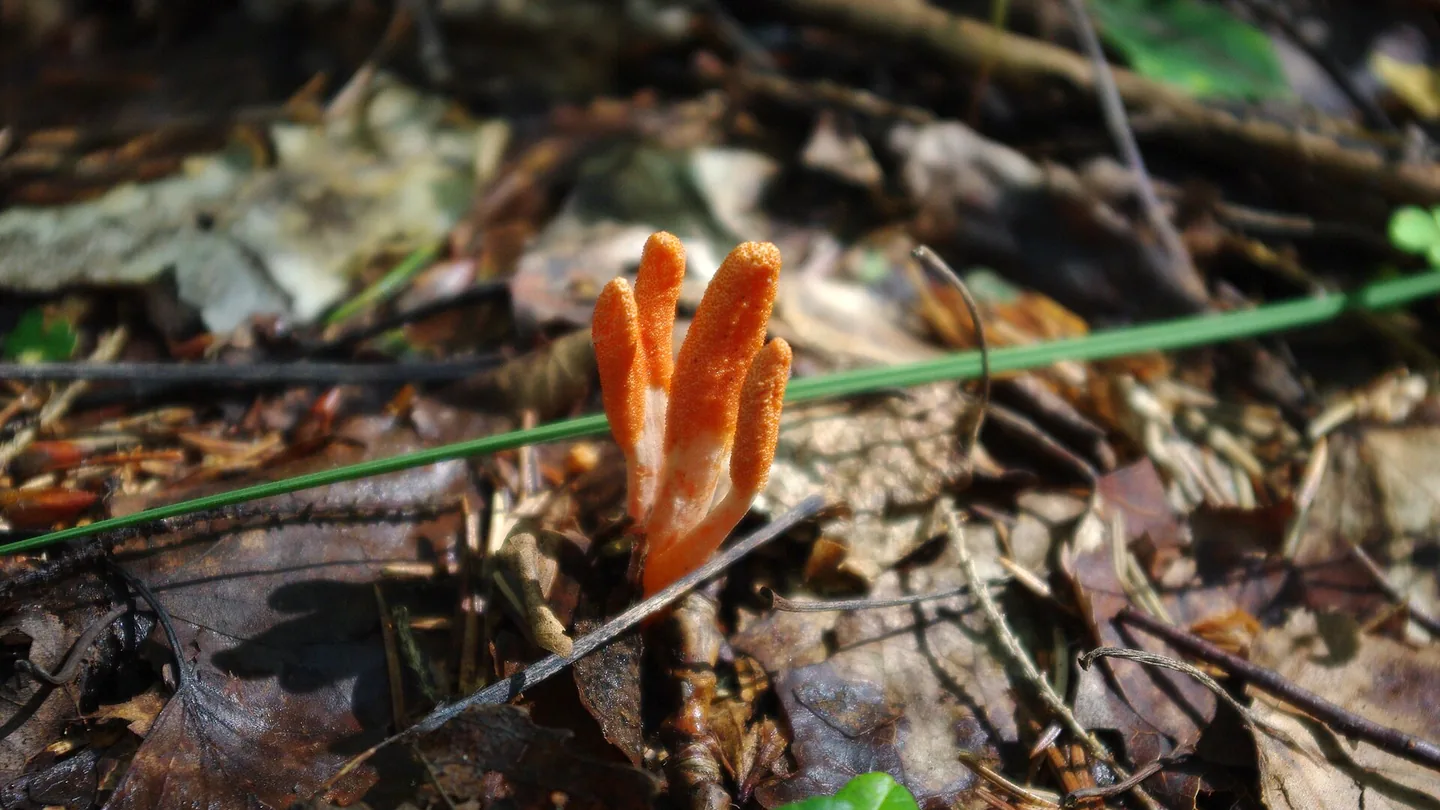
Cordyceps and endurance training: Himalayan legend, mixed lab results
Cordyceps (dong chong xia cao) in Chinese and Tibetan tradition, what exercise trials on VO2max and endurance actually found, bleeding and medicine cautions, and better training basics.
Read the guide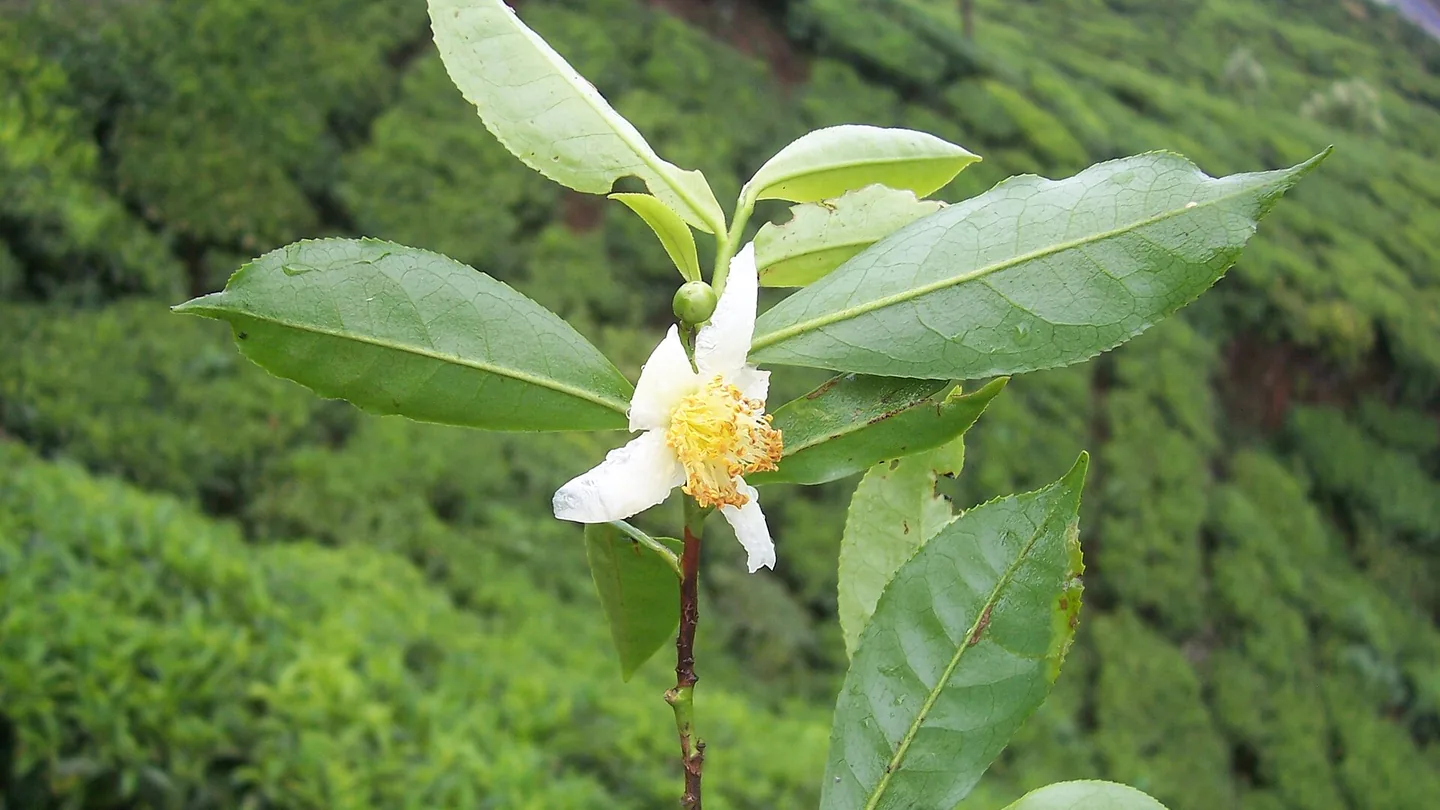
Green tea and matcha before training: focus, caffeine and the fat-burner myth
Green tea and matcha in Chinese and Japanese tea culture, the caffeine plus L-theanine research on focus, why a Cochrane review found no meaningful weight effect, and EGCG liver safety.
Read the guide